
Seasonal humidity changes have a direct impact on household moisture levels, indoor comfort, and the demand for residential dehumidifiers. As weather conditions shift throughout the year, homeowners experience different humidity-related problems, from summer mold risks to winter condensation issues.
Understanding seasonal humidity patterns helps consumers choose suitable dehumidifier capacities and features while allowing manufacturers to better predict market demand. Factors such as climate conditions, indoor air quality awareness, and energy efficiency requirements continue to influence household dehumidifier purchasing trends.
The seasonal patterns below are qualitative planning guidance for humid temperate markets, not measured global sales figures. Local rainfall timing, hemisphere, building conditions, and retailer data should determine regional forecasts; coastal locations are not uniformly humid.
How Seasonal Humidity Changes Affect Indoor Home Conditions
Indoor humidity levels naturally change throughout the year due to temperature variations, rainfall, ventilation conditions, and household activities. When relative humidity becomes too high, homes may experience moisture-related problems such as mold growth, unpleasant odors, condensation, and damage to furniture or electronics.
Household dehumidifier demand usually increases when outdoor humidity rises and indoor moisture becomes difficult to control through ventilation or air conditioning alone. Different seasons create different moisture challenges, which influence both consumer demand and product selection.
Spring: Rising Humidity and Increased Moisture Problems
Spring is often the beginning of the seasonal increase in household dehumidifier demand. During this period, temperatures become warmer while rainfall increases in many regions. Rainfall, damp ground, and incoming humid air can increase the moisture entering a home. Warming alone does not raise relative humidity: with no moisture added, it lowers the percentage, as explained by the Meteorological Service Singapore.
Many homeowners begin noticing early signs of excessive humidity, including:
- Condensation on windows and walls
- Musty smells in bedrooms or basements
- Increased mold and mildew growth
- Damp clothing and stored items
- Moisture accumulation in storage areas
Basements are especially affected during spring because groundwater levels often rise after winter snowmelt or frequent rainfall. Since basements typically have limited airflow, moisture can accumulate quickly.
For many consumers, spring is also the preparation period before summer humidity reaches its peak. Homeowners who have experienced moisture problems in previous years often purchase dehumidifiers earlier to prevent future issues.
Summer: Peak Humidity Drives the Highest Dehumidifier Demand
Summer is generally the strongest season for household dehumidifier sales in humid regions. High temperatures, frequent rainfall, and increased evaporation create conditions where indoor humidity can easily exceed comfortable levels.
Although air conditioners remove some moisture during cooling operation, they are mainly designed for temperature control. In some situations, especially when cooling demand is low or rooms are poorly ventilated, air conditioners may not provide enough humidity reduction.
High summer humidity can cause:
- Uncomfortable indoor conditions
- Increased mold growth risk
- Higher cooling costs
- Damage to wooden furniture and flooring
- Poor indoor air quality
During this season, portable household dehumidifiers become popular solutions for bedrooms, living rooms, basements, and home offices.
Consumers usually focus on several features when purchasing summer dehumidifiers:
- Higher moisture removal capacity
- Energy-saving operation
- Quiet performance
- Automatic humidity control
- Continuous drainage options
- Smart control functions
For manufacturers, summer represents the most important sales period because consumer demand increases significantly in regions with humid climates.
Autumn: Humidity Reduction but Continued Demand in Some Regions
In many areas, outdoor humidity gradually decreases during autumn. However, household dehumidifier demand does not disappear because moisture problems can continue depending on regional weather conditions and building structures.
Autumn rainfall seasons can create temporary humidity increases, especially in coastal and humid continental regions. Homes with basements, poor ventilation, or insufficient insulation may still experience excessive moisture.
Common autumn humidity concerns include:
- Basement dampness after heavy rainfall
- Condensation caused by temperature changes
- Moisture accumulation in storage rooms
- Reduced ventilation as windows remain closed
During autumn, consumer demand often shifts from general humidity control toward specific applications such as basement protection, storage preservation, and seasonal moisture management.
Winter: Lower Humidity but Specific Dehumidifier Needs
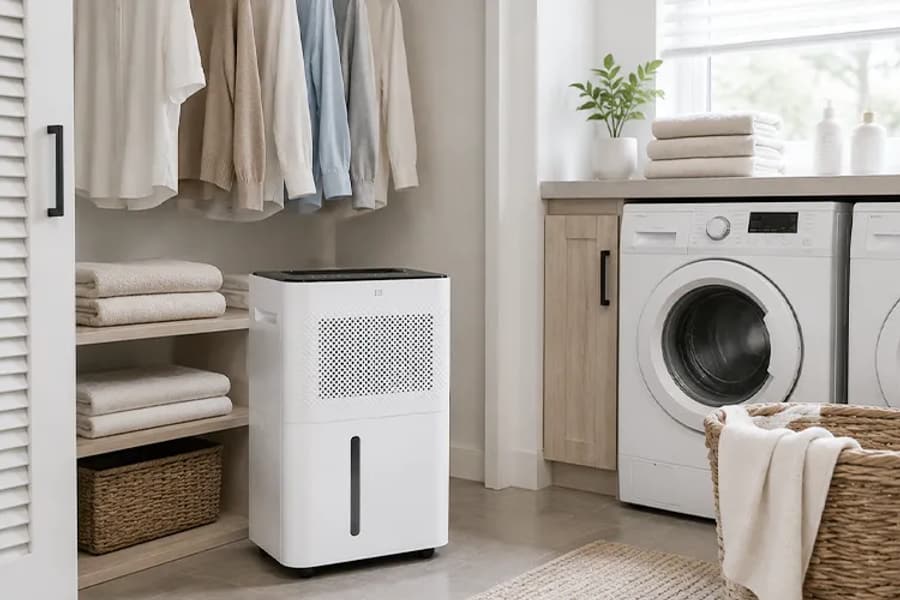
A high winter RH reading outdoors can coexist with a small absolute quantity of water vapor. After that air is heated indoors, its relative humidity falls; nevertheless, some households still need dehumidification. Indoor moisture sources can remain significant even when the outside air is dry.
Common winter moisture sources include:
- Indoor laundry drying
- Cooking activities
- Hot showers
- Poor ventilation
- Condensation on cold windows and walls
When warm indoor air contacts cold surfaces, condensation can occur. This problem is common in poorly insulated homes or buildings located in colder climates.
Winter dehumidifier demand is usually lower compared with summer, but certain applications continue to require moisture control, including:
- Basements
- Garages
- Storage rooms
- Laundry areas
In colder environments, consumers may prioritize models with automatic defrost functions and reliable low-temperature operation.
Seasonal Dehumidifier Demand Trends by Climate Region
Climate conditions strongly influence when consumers purchase household dehumidifiers. Regions with year-round humidity usually maintain stable demand, while areas with seasonal weather changes experience clear purchasing peaks.
| Climate Type | Seasonal Humidity Pattern | Dehumidifier Demand Characteristics |
| Tropical and Coastal Areas | High humidity throughout the year | Stable demand with continuous household usage |
| Humid Continental Regions | High summer humidity and seasonal rainfall | Strong demand during spring and summer |
| Dry Regions | Limited humidity except during rainy periods | Lower demand but increasing awareness |
| Cold Regions | Winter condensation and indoor moisture issues | Demand focuses on basements and specific applications |
In tropical and coastal areas, households often use dehumidifiers throughout the year because humidity remains consistently high. Consumers in these regions typically prioritize energy efficiency and long operating life.
Humid continental regions usually experience the strongest seasonal demand changes. Purchases often increase before summer because homeowners want to prevent mold, improve comfort, and protect household belongings.
Dry regions traditionally have lower dehumidifier demand, but climate changes and increased indoor air quality awareness are creating new opportunities. Some households purchase compact units for bathrooms, storage spaces, or seasonal humidity events.
Cold regions have different requirements. Instead of removing large amounts of moisture continuously, consumers often need targeted solutions to prevent condensation and protect specific areas.
Why Summer and Rainy Seasons Create Peak Household Dehumidifier Sales
Increased Mold and Mildew Concerns
One of the biggest reasons for seasonal dehumidifier demand is mold prevention. Warm rooms with persistently damp surfaces give mold and mildew an opportunity to spread.
Indoor humidity above recommended levels can affect:
- Walls and ceilings
- Wooden furniture
- Clothing
- Books and documents
- Electronics
Many homeowners purchase dehumidifiers after noticing visible moisture problems or unpleasant odors. However, increasing awareness of preventive maintenance has encouraged more consumers to install dehumidifiers before problems occur.
Greater Indoor Comfort Requirements
Humidity has a significant influence on how people perceive indoor temperature. When moisture-laden air slows sweat evaporation, occupants may feel sticky and overheated at an otherwise acceptable room temperature.
A dehumidifier helps improve comfort by reducing excess moisture in the air. Removing the clammy feeling can make the existing thermostat setting more comfortable for occupants.
A portable dehumidifier also consumes electricity and releases heat indoors. Better comfort therefore does not automatically mean a lower combined cooling and dehumidification bill.
Basement and Storage Protection
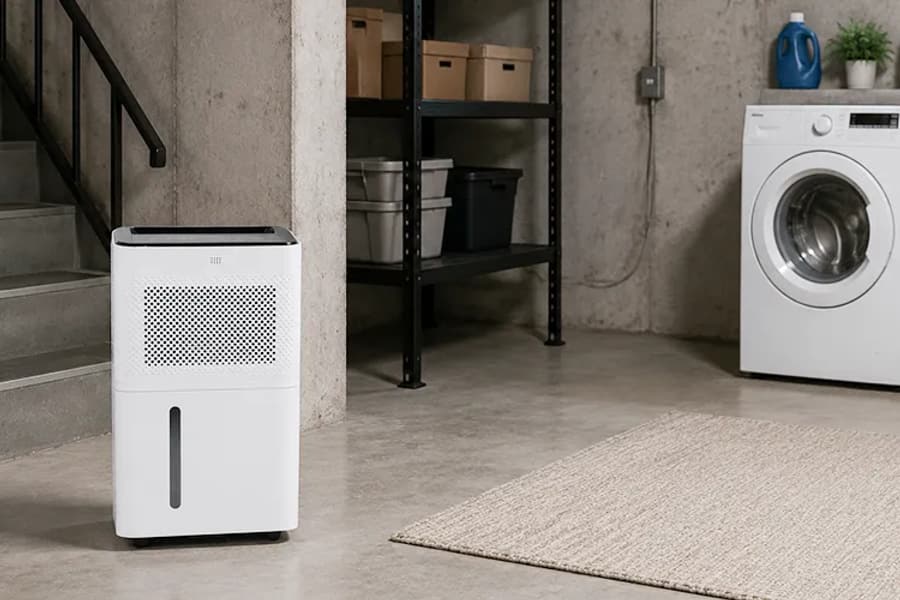
Seasonal humidity changes create additional risks for basements and storage areas. Air movement may be weak in these rooms, allowing moisture from the ground or surrounding construction to linger.
Common reasons for using household dehumidifiers in these areas include:
- Protecting stored clothing
- Preventing furniture damage
- Reducing corrosion risks for tools and equipment
- Maintaining cleaner indoor environments
This application contributes significantly to residential dehumidifier demand, especially in regions with wet summers or heavy rainfall.
How Seasonal Changes Influence Household Dehumidifier Selection
Seasonal humidity conditions affect not only purchasing timing but also the type of dehumidifier consumers choose.
Capacity Requirements Change with Seasonal Moisture Loads
Different humidity conditions require different moisture removal capacities.
| Seasonal Condition | Recommended Dehumidifier Type | Typical Application |
| Mild humidity | Small portable models | Bedrooms, bathrooms, small rooms |
| Moderate summer humidity | Medium-capacity residential units | Living rooms, offices, basements |
| Severe moisture conditions | High-capacity household models | Large basements and humid areas |
During mild seasons, consumers may choose compact units for targeted moisture control. However, during peak humidity periods, larger-capacity models become more attractive because they can remove moisture faster.
Features Consumers Consider During Different Seasons
Seasonal requirements influence which features become important.
Automatic Humidity Control
Humidity sensors allow dehumidifiers to maintain preset humidity levels automatically. This feature is especially valuable during changing seasons when moisture conditions fluctuate frequently.
Continuous Drainage
During high-humidity periods, dehumidifiers may operate for long hours. Continuous drainage systems reduce the need for frequent water tank emptying.
Low Noise Operation
Consumers increasingly use dehumidifiers in bedrooms and living areas. Quiet operation becomes an important purchasing factor throughout the year.
Energy Efficiency
Since summer operation can significantly increase electricity consumption, energy-saving technology is becoming a major consideration for household buyers.
Automatic Defrost
Automatic defrost periodically clears ice from a refrigerant unit’s evaporator. Choose a model whose stated temperature range includes the room’s coldest expected conditions. See ENERGY STAR’s dehumidifier guidance.
Seasonal Impact on Dehumidifier Purchasing Behavior
Consumer purchasing behavior changes significantly throughout the year based on weather conditions and moisture problems.
Spring and Summer Buying Patterns
Spring and summer represent the highest purchasing periods for many household dehumidifier markets.
Consumers often begin searching for products when they experience:
- Rising indoor humidity
- Mold concerns
- Basement moisture
- Uncomfortable indoor conditions
Common search topics include:
- Best dehumidifier for summer
- Basement dehumidifier
- Home humidity control
- Energy-efficient dehumidifier
Many buyers prefer purchasing before peak humidity arrives because product availability may decrease during high-demand periods.
Off-Season Purchasing Opportunities
Autumn and winter can provide opportunities for consumers who plan ahead.
Advantages of purchasing during off-season periods include:
- More product choices
- Potentially lower prices
- Faster availability
- Preparation before humid seasons
Manufacturers and retailers often use off-season promotions to maintain steady sales throughout the year.
Energy Consumption and Operating Costs Across Seasons
Seasonal humidity changes also influence dehumidifier operating costs. The amount of time a unit runs depends on indoor moisture levels, outdoor weather, and user settings.
| Season | Operating Frequency | Main Energy Consideration |
| Summer | High | Energy efficiency and compressor performance are important |
| Spring | Medium to High | Balanced moisture removal and efficiency are required |
| Autumn | Medium | Intermittent operation is common |
| Winter | Low to Medium | Targeted operation helps reduce energy use |
During summer, compressors may operate frequently because humidity levels remain high. Therefore, consumers often compare energy ratings before purchasing.
Modern household dehumidifiers use improved compressors, humidity sensors, and automatic controls to reduce unnecessary operation.
For an illustrative U.S. household calculation prepared in October 2026, assume a portable unit draws 300 W while actively dehumidifying and electricity costs USD 0.20/kWh. Neither figure is a product specification or current tariff quotation. Over 30 days, four active hours per day use 36 kWh and cost USD 7.20; twelve active hours use 108 kWh and cost USD 21.60. Calculate each estimate as 0.3 kW × daily active hours × 30 days × USD 0.20/kWh. These are alternative runtime scenarios, not fixed seasonal averages. The estimate covers operating electricity only, excluding standby consumption, purchase, delivery, installation, maintenance, and taxes or utility fixed charges. Replace the assumptions with measured energy use and your local tariff.
How Manufacturers Adapt Household Dehumidifier Products to Seasonal Demand
Manufacturers adjust product development, inventory planning, and marketing strategies according to seasonal demand patterns.
Product Design Adjustments
To meet different consumer requirements, manufacturers focus on:
- Multiple capacity ranges
- Compact portable designs
- Quiet operation technologies
- Smart humidity monitoring
- Energy-efficient components
Different markets may require different product specifications. For example, tropical regions often require high-capacity units, while colder areas may prioritize low-temperature performance.
Marketing and Inventory Strategies
Seasonal demand forecasting helps manufacturers prepare products before peak purchasing periods.
Common strategies include:
- Increasing inventory before summer
- Promoting basement models during rainy seasons
- Highlighting energy efficiency during high electricity-cost periods
- Offering smart features for modern households
By understanding seasonal purchasing patterns, manufacturers can better match product supply with consumer demand.
Future Trends in Household Dehumidifier Demand
Smart Home Integration
Smart technology is becoming an important trend in residential humidity control.
Future household dehumidifiers are expected to include:
- Wi-Fi connectivity
- Mobile app control
- Remote humidity monitoring
- Smart home system integration
These features allow homeowners to manage humidity more conveniently throughout changing seasons.
Energy-Efficient Technologies
Energy efficiency will continue to influence consumer purchasing decisions.
Future improvements may include:
- More efficient compressors
- Better humidity sensors
- Lower standby power consumption
- Environmentally friendly refrigerants
As electricity costs increase, consumers are expected to pay more attention to long-term operating expenses rather than only initial purchase prices.
Climate Change Impact
Changing weather patterns may increase demand for household dehumidifiers in regions that previously experienced limited humidity problems.
More frequent:
- Heavy rainfall events
- Extreme humidity periods
- Seasonal weather fluctuations
may encourage more homeowners to invest in indoor humidity management solutions.
As awareness of indoor air quality continues to grow, household dehumidifiers are likely to become a more common appliance for maintaining comfortable and healthy living environments.