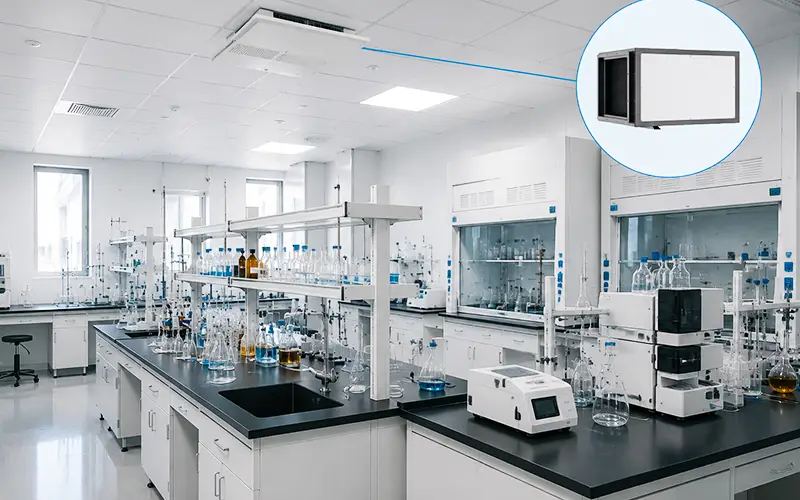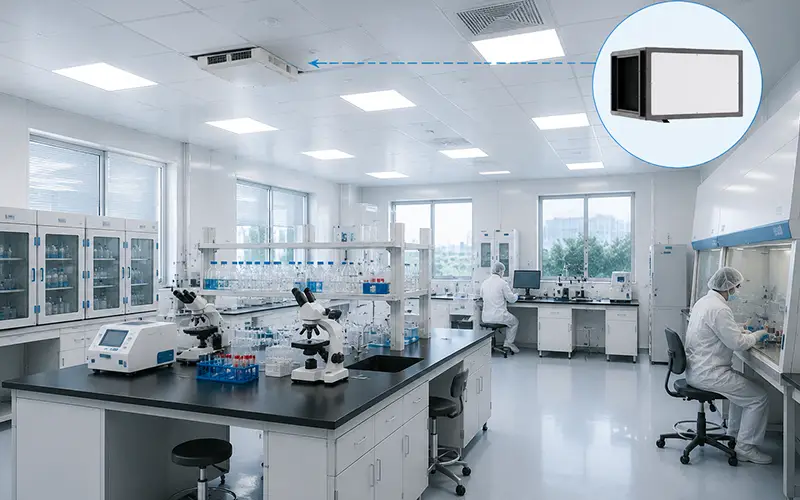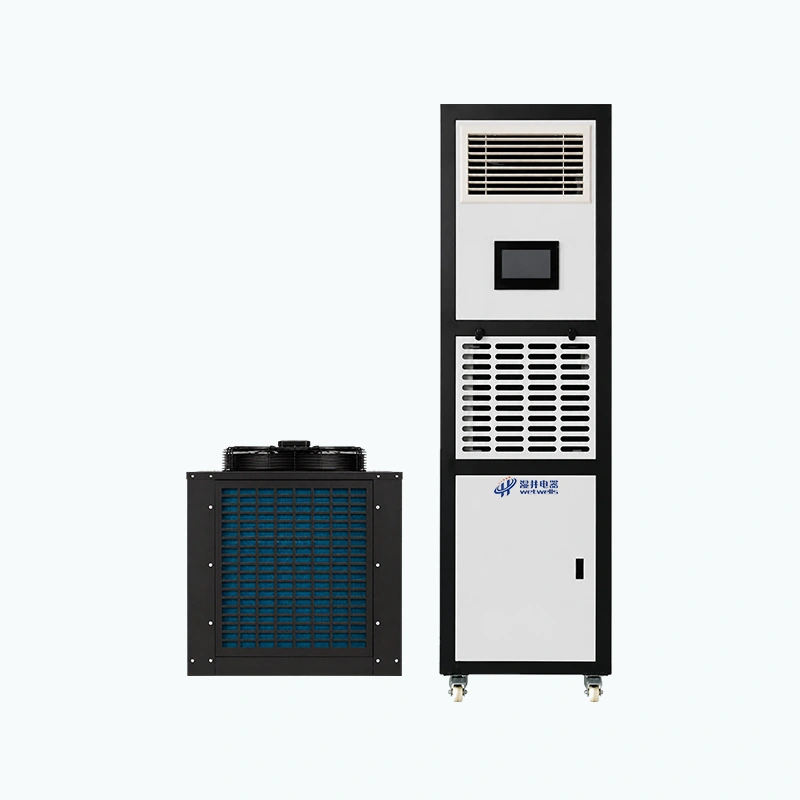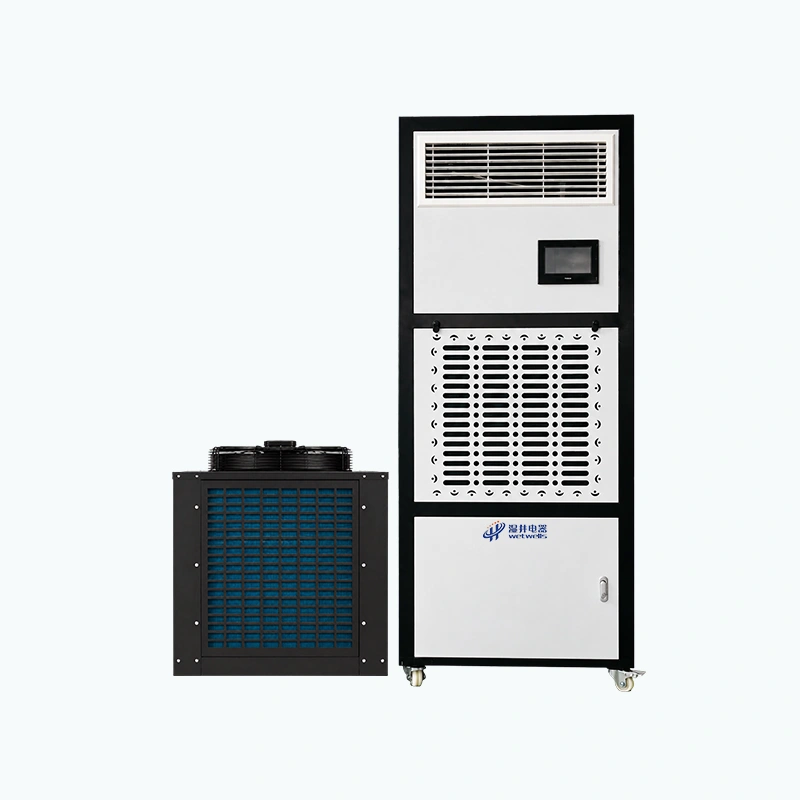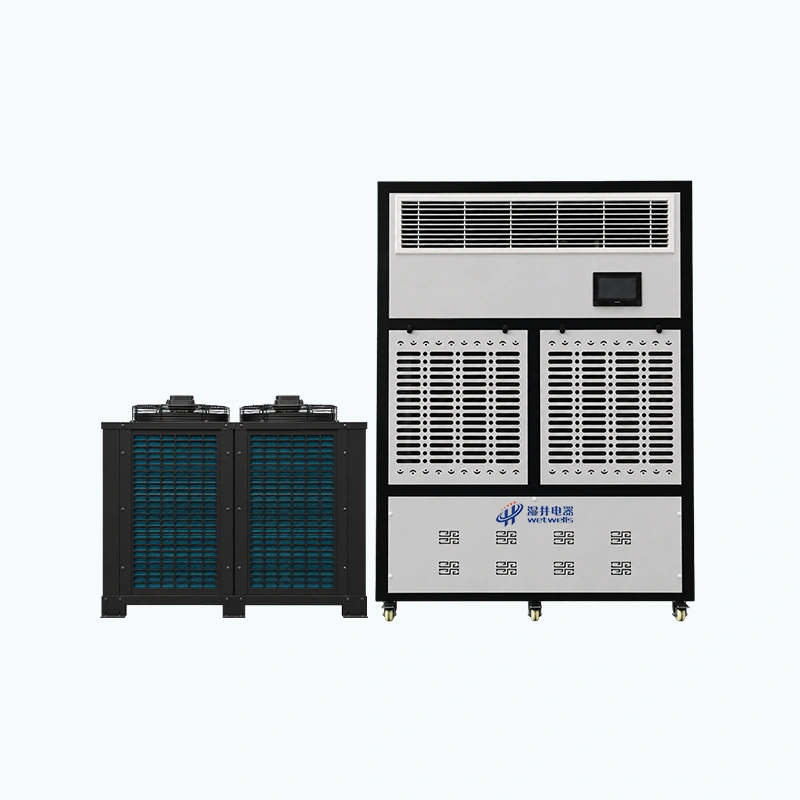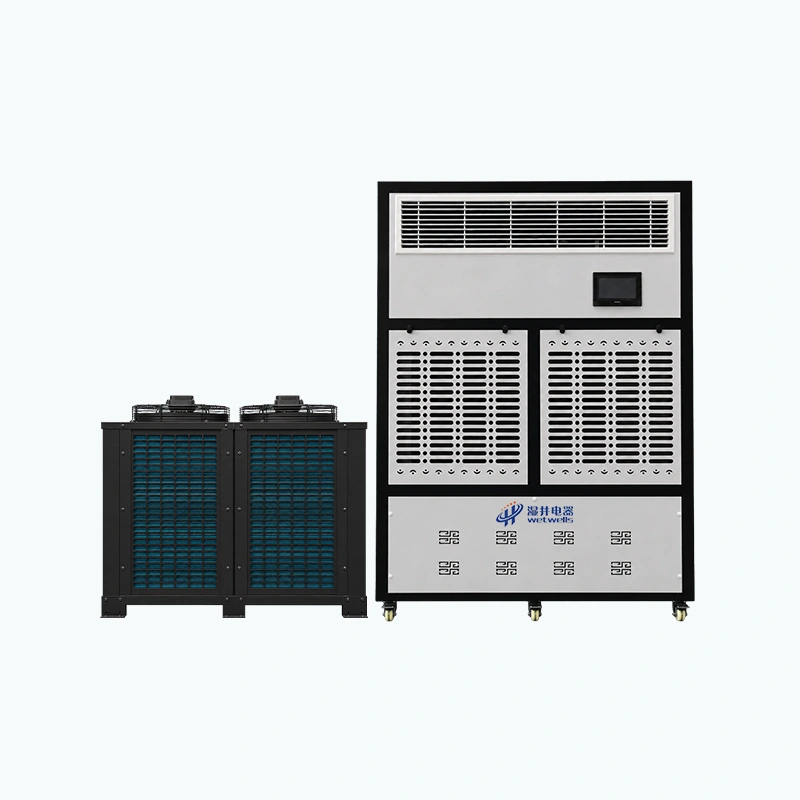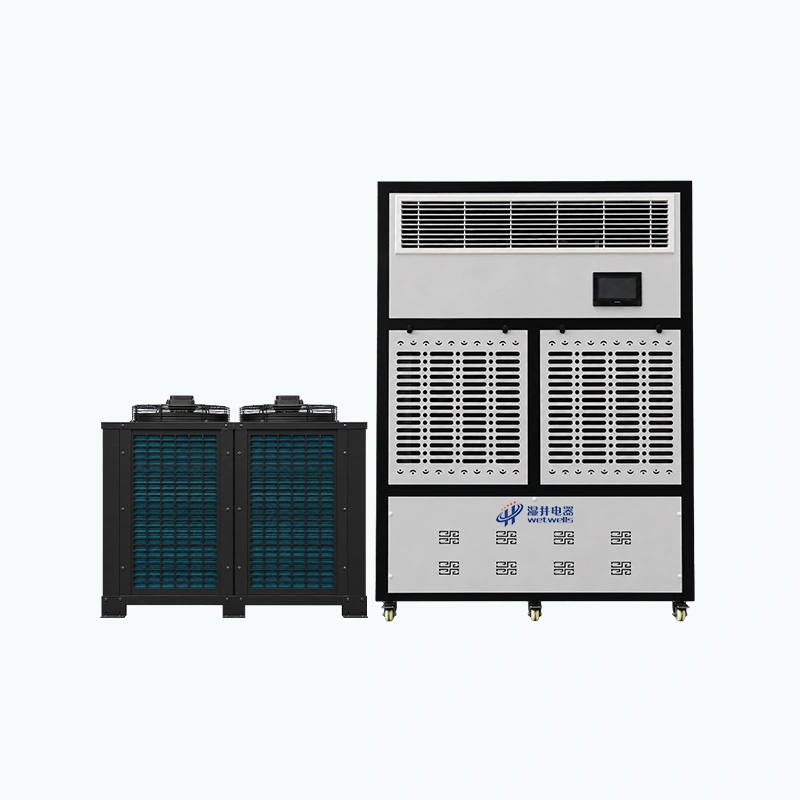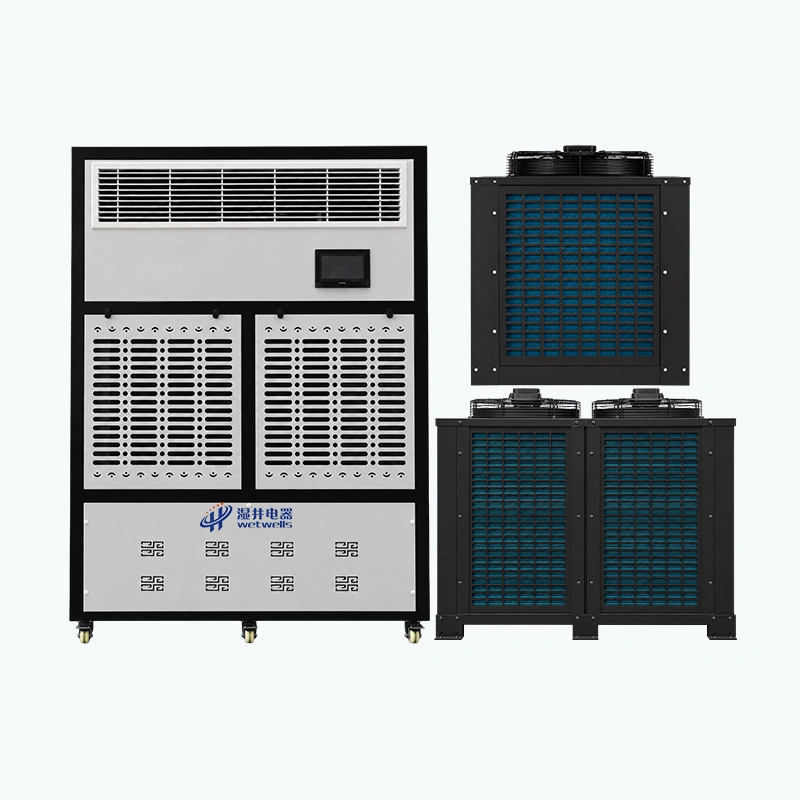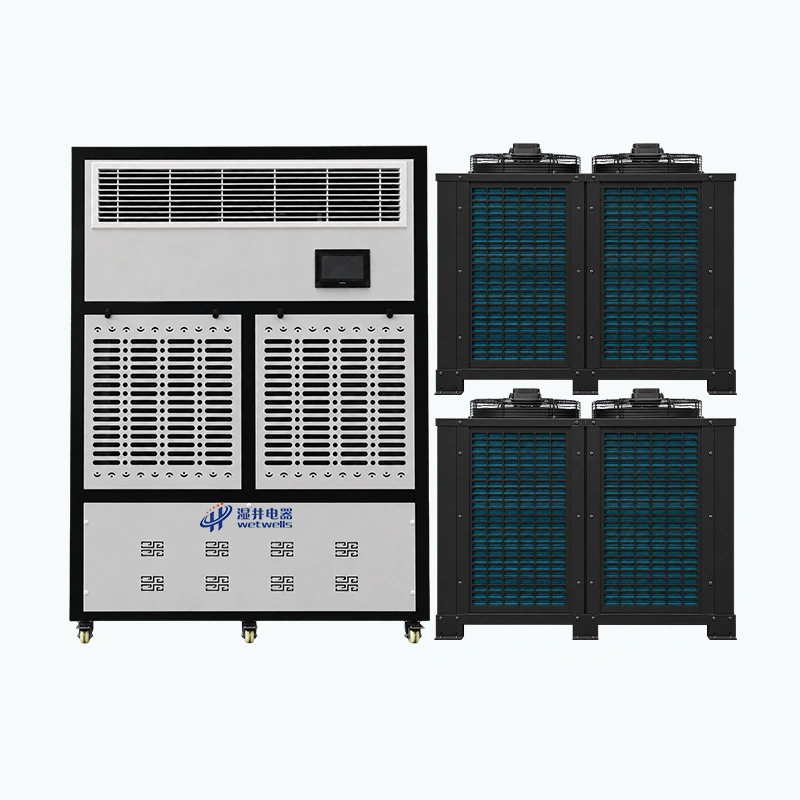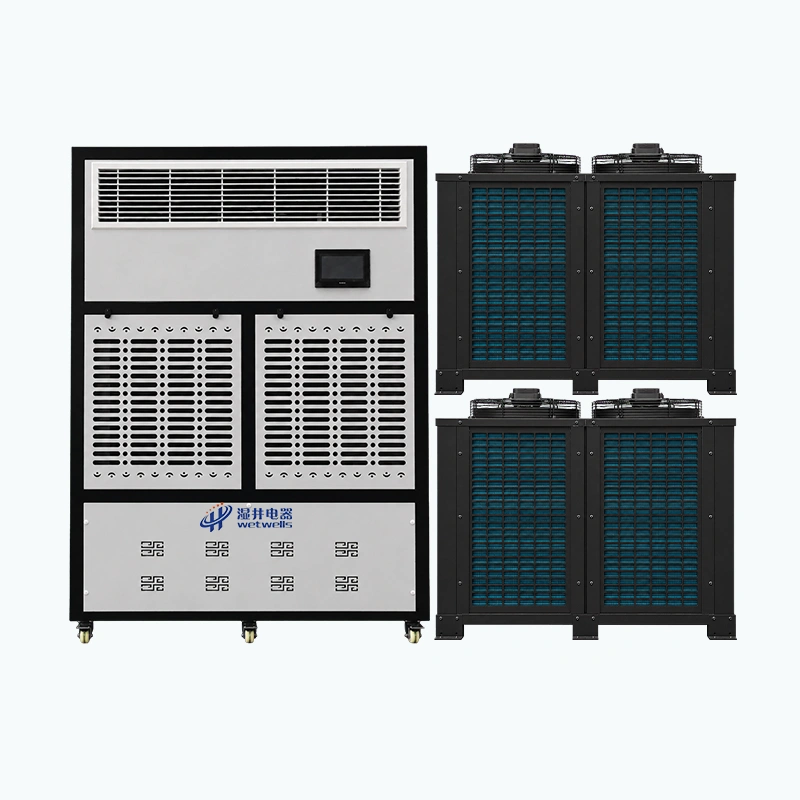
Laboratory Dehumidifier

Our laboratory dehumidifiers provide precise humidity control, stable airflow, reliable drainage, and intelligent operation for sensitive testing, research, storage, and production environments.

We customize capacity, airflow, materials, controls, installation layout, and OEM branding to support different laboratory humidity requirements.

Humidity Requirements for Different Laboratory Environments

Different laboratories require different humidity levels depending on testing standards, materials, instruments, and process sensitivity. The ranges below serve as practical references and can be customized based on project needs.
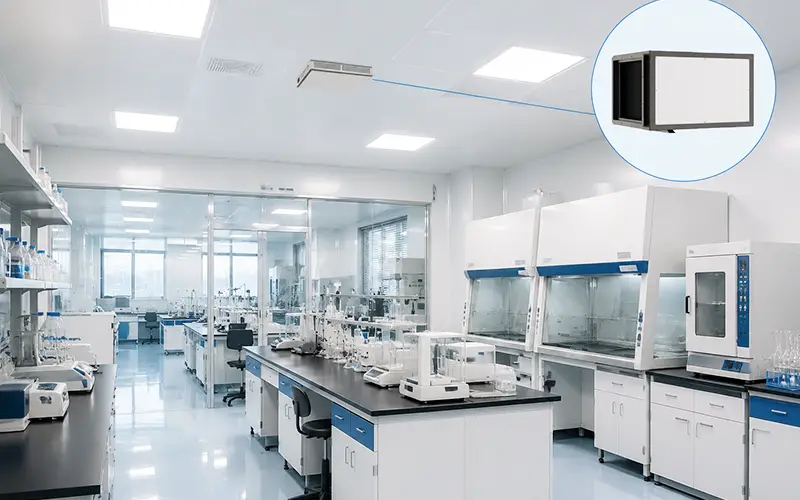
Dehumidifier for Pharmaceutical Laboratory

Pharmaceutical Laboratory

Dehumidifier for Chemical Laboratory

Chemical Laboratory

Dehumidifier for Medical Laboratory

Biological / Medical Laboratory
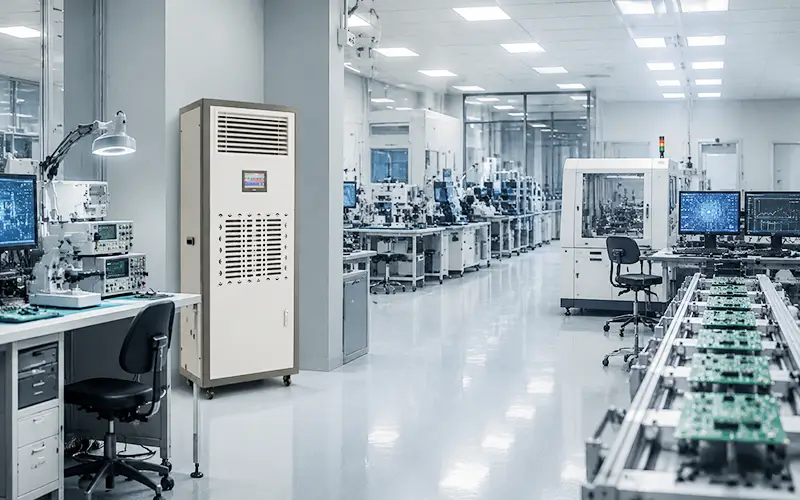
Dehumidifier for Electronics & Semiconductor Laboratory
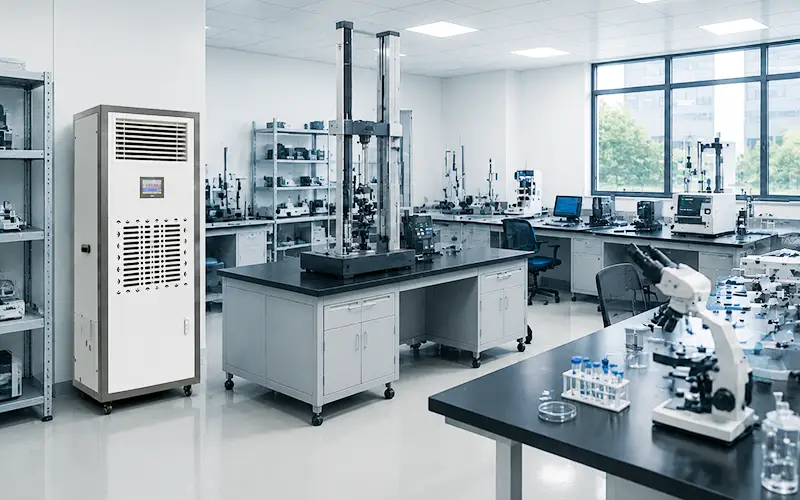
Electronics & Semiconductor Laboratory

Dehumidifier for Research & Testing Laboratory

Research & Testing Laboratory
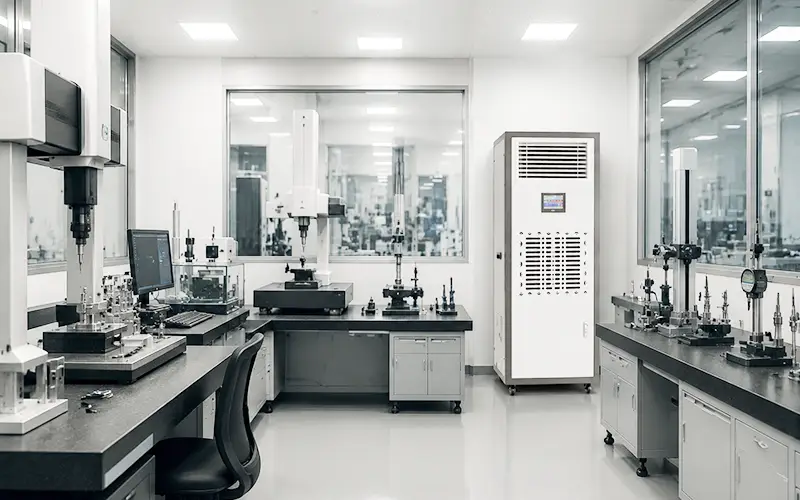
Dehumidifier for Calibration & Measurement Laboratory

Calibration & Measurement Laboratory

Laboratory Dehumidifier Cabinet Material Options
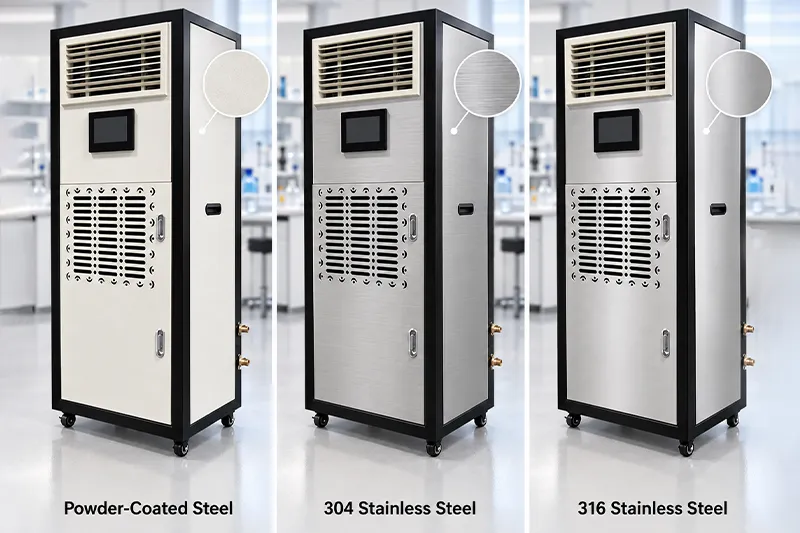
Laboratory Dehumidifier Cabinet Material Options

We provide multiple cabinet material options to match different laboratory requirements for durability, cleanliness, corrosion resistance, and long-term operation.

Powder-coated Steel

A practical option with good strength and surface protection, suitable for general laboratories, testing rooms, and research environments.

304 Stainless Steel

Provides excellent corrosion resistance and easy cleaning for pharmaceutical, medical, food testing, and controlled laboratory environments.

316 Stainless Steel

Provides stronger chemical and corrosion resistance for chemical laboratories and other demanding environments.

Laboratory Dehumidifier Sizing Solutions

Laboratory dehumidifiers are selected based on lab area, moisture load, airflow demand, target RH, operating temperature, ventilation, and installation layout. The following table offers a practical guide for laboratories of different sizes.

Laboratory Solution

Typical Lab Area

Recommended Airflow

Typical Dehumidification Capacity

Recommended Installation

Typical Applications

Small Laboratory Units

20–80 m²

200–800 m³/h

20–90 L/day

Portable / Wall-mounted / Floor-standing

Sample rooms, instrument rooms, QC laboratories, small testing rooms

Medium Laboratory Systems

80–300 m²

800–3,000 m³/h

90–300 L/day

Floor-standing / Ceiling-mounted / Ducted

Pharmaceutical laboratories, chemical laboratories, medical laboratories, research laboratories

Large Centralized Lab Systems

300–1,000+ m²

3,000–10,000+ m³/h

300–1,200+ L/day (customizable)

Ducted / Centralized / HVAC Integrated

Multi-room laboratories, cleanrooms, semiconductor laboratories, R&D centers

Need a humidity control solution for your laboratory?

Tell us your laboratory type, room size, current humidity, target RH, temperature range, installation space, and drainage conditions. Our engineers will help recommend a suitable laboratory dehumidifier system for your project.

Laboratory Dehumidifier Products We Offer
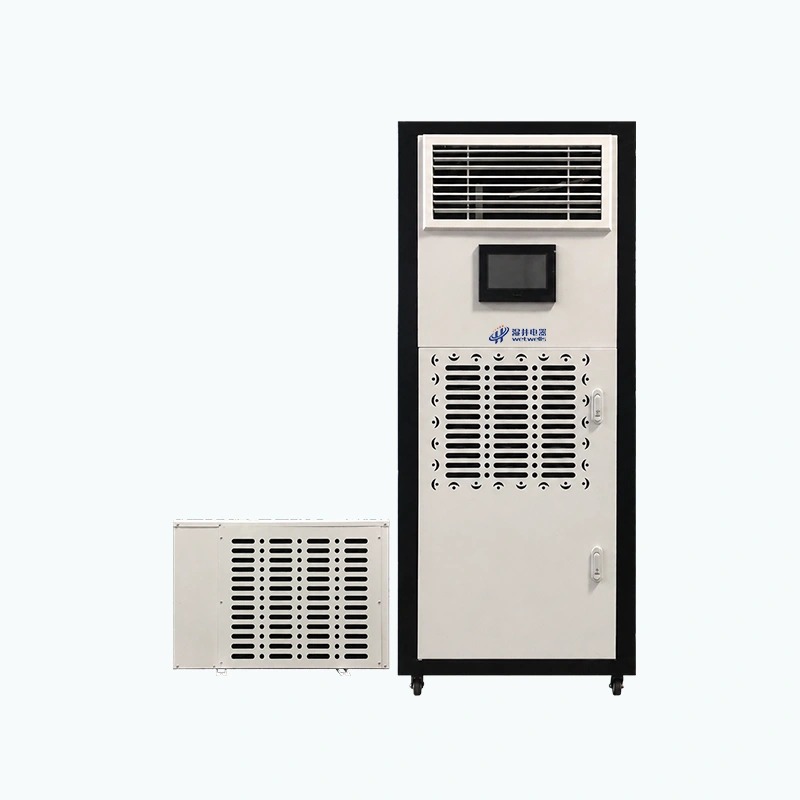
HSJ-06 Constant Temperature and Humidity Machine

HSJ-06 Constant Temperature and Humidity Machine

Know More
HSJ-09 Constant Temperature and Humidity Machine

HSJ-09 Constant Temperature and Humidity Machine

Know More
HSJ-12 Constant Temperature and Humidity Machine

HSJ-12 Constant Temperature and Humidity Machine

Know More
HSJ-15 Constant Temperature and Humidity Machine

HSJ-15 Constant Temperature and Humidity Machine

Know More
HSJ-20 Constant Temperature and Humidity Machine

HSJ-20 Constant Temperature and Humidity Machine

Know More
HSJ-30 Constant Temperature and Humidity Machine

HSJ-30 Constant Temperature and Humidity Machine

Know More
HSJ-40 Constant Temperature and Humidity Machine

HSJ-40 Constant Temperature and Humidity Machine

Know More
HSJ-50 Constant Temperature and Humidity Machine

HSJ-50 Constant Temperature and Humidity Machine

Know More
HSJ-60 Constant Temperature and Humidity Machine

HSJ-60 Constant Temperature and Humidity Machine

Know More

Laboratory Dehumidification Project Case
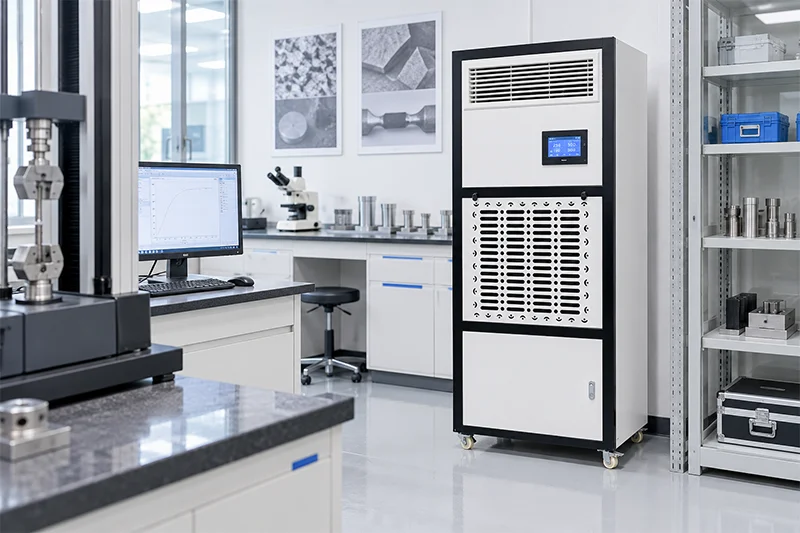
Laboratory Dehumidification Project Case

A material testing laboratory required stable humidity control for precision testing rooms and equipment storage areas to protect instruments and ensure accurate testing conditions.

Humidity Challenge

Excess humidity could affect testing accuracy, cause equipment corrosion, and increase sample degradation risks. The laboratory required stable 45%–55% RH control.

Customized Solution

We provided a precision dehumidification system with 45%–55% RH control, 2,000–8,000 m³/h airflow, and intelligent humidity regulation for a stable laboratory environment.

FAQs

What humidity level should a laboratory dehumidifier maintain?

Most laboratories maintain 40%–60% RH, while pharmaceutical, electronics, battery, and precision laboratories may require lower humidity levels depending on the process.

Refrigerant dehumidifiers are suitable for normal-temperature labs, while desiccant dehumidifiers are better for low-temperature, low-humidity, or highly sensitive laboratory environments.

Yes. Industrial-grade laboratory dehumidifiers can support continuous operation with automatic humidity control, stable drainage, and safety protection systems.

Yes. Ducted, fresh air, and precision laboratory dehumidifiers can be integrated with HVAC systems, ventilation systems, cleanrooms, and BMS control platforms.

Yes. Desiccant laboratory dehumidifiers can support low-humidity environments and are commonly used in battery labs, electronics labs, pharmaceutical labs, and dry rooms.

Yes. We customize capacity, airflow, humidity range, casing material, installation method, voltage, drainage, control system, filtration, and OEM branding.

Chemical labs, pharmaceutical labs, biological labs, electronics labs, battery labs, calibration rooms, instrument rooms, sample storage rooms, and cleanrooms often require humidity control.

Capacity should be selected based on room size, target RH, temperature, ventilation rate, moisture load, equipment heat load, and laboratory application.

Yes. Proper humidity control helps reduce condensation on walls, ceilings, windows, equipment surfaces, ducts, and stored materials.

Scroll to Top

Submit Your Inquiry