
For many people with indoor allergies, 40–50% relative humidity is a practical starting target within the broader 30–50% household range. It can help limit dampness without guaranteeing symptom relief.
Monitor actual room conditions and address allergen sources; humidity control supports regular cleaning and appropriate medical care rather than replacing them.
A Practical Humidity Range for Your Home
The American Academy of Allergy, Asthma & Immunology (AAAAI) recommends maintaining indoor humidity between 40% and 50%, particularly when managing moisture-related allergens such as dust mites.
The EPA recommends 30–50% relative humidity for homes. This overlaps with the allergy-focused guidance above, making 40–50% a practical starting range where comfort and condensation allow.
However, the ideal setting depends on room conditions, outdoor weather, surface temperatures, and individual comfort. Maintaining an appropriate humidity range is more useful than targeting one exact percentage.
Recommended Indoor Humidity Levels
| Indoor Humidity | Indoor Conditions | Potential Allergy-Related Concerns | Recommended Action |
| Below 30% RH | Very dry air | Nasal, throat, skin, or eye irritation | Check whether additional moisture is needed |
| 30–39% RH | Lower end of the general household range | Dryness may affect some occupants | Monitor comfort and condensation |
| 40–50% RH | Practical starting range | Helps limit conditions favorable to moisture-dependent allergens | Maintain and monitor |
| 51–60% RH | Elevated moisture | More favorable conditions for dust mites and dampness | Investigate moisture sources and consider dehumidification |
| Above 60% RH | High indoor moisture | Greater concern about persistent dampness and condensation | Address moisture sources promptly |
These ranges are practical household guidance, not biological cutoff points. No particular reading instantly kills dust mites or guarantees that mold cannot grow.
A room measuring 45% RH can still contain mold behind a leaking wall. Similarly, a lower humidity reading does not remove allergens already accumulated in bedding or carpets.
How Indoor Humidity Affects Common Allergens
Indoor humidity influences some allergy triggers more directly than others. Understanding these differences helps homeowners choose appropriate moisture-control measures without expecting humidity adjustments to solve every allergy problem.
Dust Mites and High Humidity
Dust mites are microscopic organisms commonly found in mattresses, pillows, carpets, and upholstered furniture. They depend on environmental moisture and generally thrive under humid conditions.
Controlling indoor humidity can make the environment less favorable for dust mites. The AAAAI emphasizes humidity management as an important component of reducing indoor dust mite exposure.
However, lowering humidity does not immediately eliminate dust mites or remove their accumulated allergens. These particles can remain in bedding and household dust even after moisture conditions improve.
Effective management combines consistent humidity control with mattress protection, regular bedding washing, and appropriate cleaning. Reducing exposure is often more practical than expecting complete allergen elimination.
Mold Growth and Excess Moisture
Mold can develop when moisture remains available on suitable materials. Common problem areas include bathrooms, basements, window frames, damp walls, and spaces affected by plumbing leaks.
Higher indoor humidity can contribute to surface dampness, particularly where ventilation is limited or surfaces are unusually cold. Condensation creates localized moisture that may support microbial growth.
Room relative humidity and surface moisture are not the same measurement. A hygrometer measures surrounding air, not moisture trapped inside drywall, insulation, or flooring.
For example, a bedroom might register 45% RH while water leaking behind a wardrobe keeps the adjacent wall wet. Lowering room humidity alone will not repair that leak.
Controlling mold-related exposure therefore requires several actions:
- Repair water leaks and investigate persistent dampness.
- Remove condensation and improve appropriate ventilation.
- Clean existing mold safely and address contaminated materials.
- Monitor humidity after correcting moisture problems.
There is no universal indoor humidity threshold that prevents mold on every surface. Where moisture damage is extensive, professional assessment may be necessary.
Outdoor Pollen and Animal Proteins
Pollen can hitchhike indoors on coats and pet fur, as well as arrive with air flowing through entrances or windows.
Pet-related triggers are proteins carried in material such as shed skin and saliva; they are not simply particles of animal hair.
Unlike dust mites, these allergen sources do not depend primarily on maintaining high indoor humidity. Lowering RH therefore does not directly eliminate pollen or pet allergens.
Cleaning fabrics, managing outdoor allergen entry, and using suitable particle filtration may provide additional exposure control. Humidity management remains useful when excess moisture is also present.
Can Indoor Humidity Be Too Low for Allergy Sufferers?
Maintaining dry indoor air is not automatically healthier. Excessively low humidity can cause physical discomfort, even in homes where dust mites and mold are concerns.
How Dry Air Affects the Nose, Throat, and Skin
Dry air can reduce moisture on exposed surfaces, including nasal passages, lips, skin, and eyes. Some people experience irritation, dryness, or increased discomfort during winter heating.
These symptoms can resemble allergic reactions, but dry-air irritation is not necessarily an allergy. Similar complaints may also arise from infections, environmental irritants, or other conditions.
For example, someone experiencing nasal discomfort in a heated bedroom should not automatically assume dust mites are responsible. Measuring humidity and reviewing other exposures can help clarify conditions.
If discomfort continues despite reasonable humidity adjustments, professional medical evaluation may help distinguish allergy-related symptoms from irritation or other causes.
Why Increasing Humidity Is Not Always the Answer
A humidifier may improve comfort when indoor air is genuinely too dry. However, adding unnecessary moisture can create favorable conditions for dust mites and mold.
Follow EPA humidifier-care guidance: monitor humidity, clean the appliance as directed, and prevent nearby surfaces from becoming damp. Excess moisture and contaminated reservoirs can create additional indoor-air problems.
Before increasing humidity, check the actual room RH and look for condensation. Moisture should not collect on nearby furniture, windows, carpets, or other surfaces.
A comfortable setting should account for both respiratory comfort and building moisture conditions, rather than relying exclusively on how the air feels.
How to Measure and Monitor Indoor Humidity
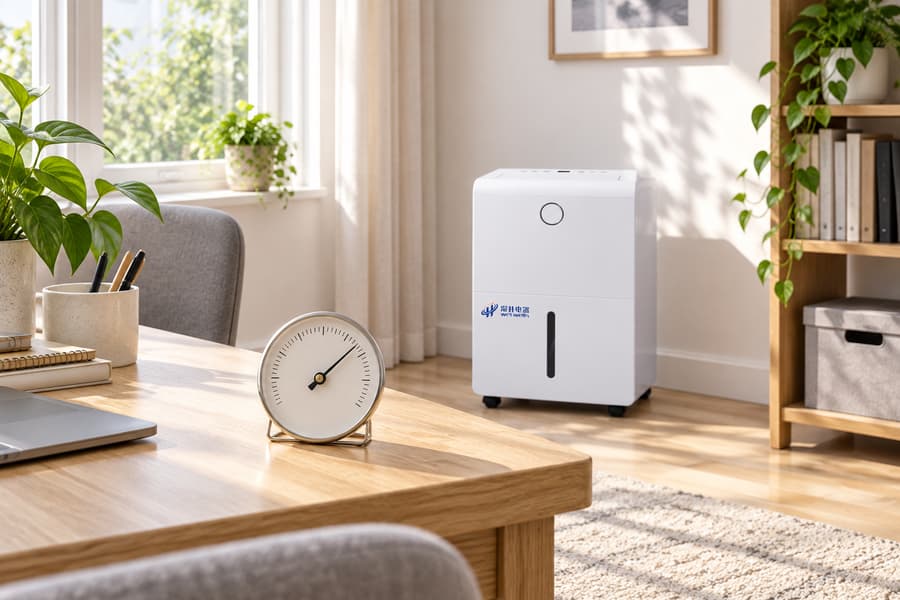
Consistent measurement helps homeowners understand whether humidity is contributing to indoor environmental problems. Monitoring also prevents unnecessary equipment purchases and excessive adjustments.
What Your Room Sensor Tells You
The relative humidity percentage compares actual water-vapor pressure with the saturation value at the same temperature. A hygrometer reports that ratio for nearby air.
Digital hygrometers are convenient for household monitoring. Some humidity-control appliances also include built-in sensors, although readings may vary with placement and operating conditions.
For useful measurements, position a hygrometer away from direct sunlight, heating outlets, humidifier mist, and concentrated airflow. These conditions can distort readings relative to the occupied area.
Do not assume one reading represents the entire house. Bedrooms, basements, bathrooms, and living areas often experience different temperatures, airflow patterns, and moisture loads.
When Should You Check Indoor Humidity?
Humidity can change significantly throughout the day as occupants cook, shower, operate heating or cooling equipment, and open doors or windows.
A practical monitoring routine includes:
- Morning: Check bedroom humidity after overnight occupancy.
- Afternoon: Compare conditions during normal heating or cooling operation.
- Evening: Observe changes following cooking, bathing, or laundry.
- After rainfall: Inspect damp-prone rooms and potential moisture entry.
- Seasonally: Compare readings as outdoor temperature and humidity change.
Record measurements alongside visible condensation, musty odors, and other environmental observations. Repeated readings provide a more useful picture than isolated measurements.
A hygrometer cannot diagnose allergies or identify specific allergens. Use the readings to decide whether moisture needs attention in that space; they provide no test of the allergen burden.
Interpreting Humidity Measurements
Consider a hypothetical bedroom measuring 56% RH every morning but 44% RH during the afternoon. The pattern suggests an overnight moisture increase worth investigating.
Possible contributors include occupancy, limited ventilation, temperature changes, or moisture moving from adjacent spaces. The readings alone cannot establish which factor is responsible.
Compare measurements with the bedroom door open and closed, review HVAC operation, and inspect nearby bathrooms or damp surfaces before changing equipment settings.
How to Maintain the Best Bedroom Humidity for Allergies
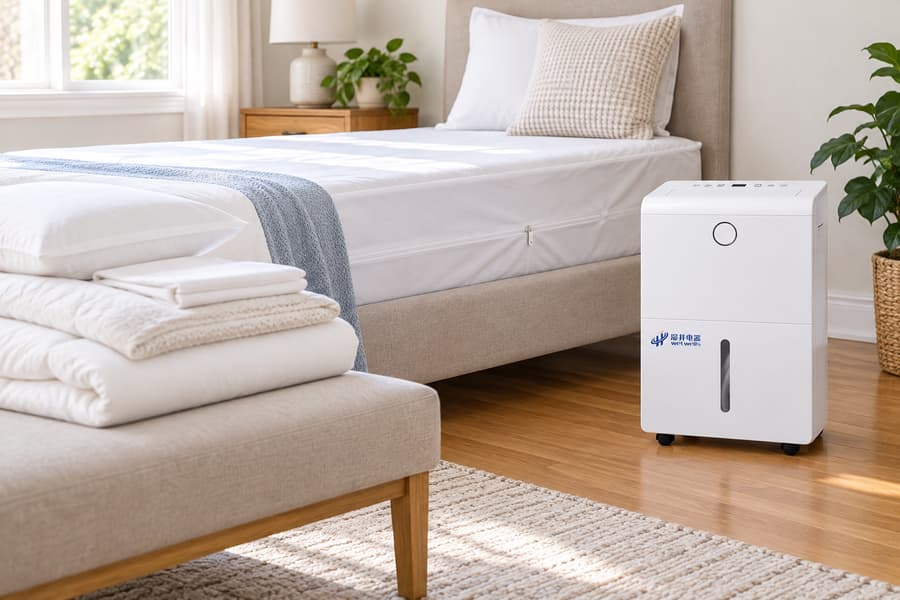
Bedrooms deserve particular attention because occupants spend extended periods near bedding, pillows, mattresses, and other materials that can collect household allergens.
Humidity control is one component of bedroom management. Cleaning, limiting allergen sources, and addressing moisture problems are equally important.
Control Moisture Around Bedding and Furniture
Mattresses, carpets, upholstered furniture, and curtains can retain moisture or accumulate dust. Their location and condition influence the indoor environment experienced during sleep.
Avoid placing furniture tightly against persistently damp walls. Providing reasonable airflow around furniture may help reduce localized moisture accumulation where condensation is a concern.
Inspect windows, exterior walls, and areas behind large furniture for recurring condensation or discoloration. Investigate these signs even when the room hygrometer reports acceptable humidity.
Bedroom temperatures also matter because cooler surfaces can reach condensation conditions while the surrounding room air appears relatively dry.
Reduce Dust Mite and Other Indoor Allergens
The Asthma and Allergy Foundation of America (AAFA) recommends controlling allergen sources through cleaning, bedding protection, and reducing contact with materials that collect allergens.
Practical bedroom measures include:
- Wash sheets, pillowcases, and washable bedding regularly according to fabric instructions and appropriate allergen-control guidance.
- Consider allergen-resistant mattress and pillow encasements when managing dust mite exposure.
- Vacuum carpets and upholstered surfaces using equipment designed to limit dust release.
- Collect dust from shelves and other hard surfaces with a slightly moistened cloth so less is brushed back into the room.
- Reduce unnecessary fabric clutter and items that collect dust.
- If an animal is a known trigger, make the sleeping area a pet-free zone and keep that boundary consistent.
- Limit outdoor pollen entry during periods of elevated pollen exposure.
These actions address particles and allergen reservoirs that humidity control cannot remove. Their importance depends on the allergens affecting each household.
People with significant dust sensitivity may benefit from arranging cleaning when exposure can be minimized, especially during activities that disturb accumulated dust.
Improve Bedroom Ventilation and Moisture Management
Ventilation helps manage indoor moisture and other pollutants when incoming air is suitable. However, opening windows is not always beneficial during humid weather or high-pollen conditions.
Use existing ventilation and HVAC systems appropriately. Investigate poorly ventilated bathrooms, laundry areas, or damp spaces that may introduce moisture into nearby bedrooms.
If bedroom humidity remains elevated, a properly selected dehumidifier may help. Its purpose is to control moisture, not replace cleaning or directly remove allergenic particles.
Evaluate results through repeated humidity measurements and observations of condensation. Avoid assuming that a lower displayed RH necessarily indicates a healthier bedroom.
How to Adjust Indoor Humidity Throughout the Year
Seasonal changes affect the amount of moisture entering a home and how indoor heating or cooling changes relative humidity.
The goal is consistent moisture management, rather than using identical equipment settings under every weather condition.
Summer and Humid Weather
Warm, humid outdoor air can increase indoor moisture loads through ventilation, infiltration, and frequent door opening. Indoor tasks add vapor too: consider steam from cooking and bathing, or moisture released while laundry dries.
Monitor indoor readings during prolonged humid weather and review whether existing air conditioning provides adequate moisture removal under actual household conditions.
During high-pollen periods, keeping windows closed when appropriate may also reduce outdoor allergen entry. Keep appropriate mechanical ventilation operating even when windows remain shut.
Winter and Dry Weather
Heating cold outdoor air often lowers its relative humidity indoors, potentially contributing to dry skin or irritated nasal passages.
Measure bedroom humidity before adding moisture. If humidification is appropriate, monitor windows and other cold surfaces for condensation as outdoor temperatures fall.
In poorly insulated homes, condensation may occur even within an otherwise reasonable room humidity range. Correcting cold-surface problems can be as important as adjusting RH.
Rainy Seasons and Persistent Dampness
Prolonged rainfall may reveal water intrusion, foundation dampness, roof leaks, or inadequate drainage around the building.
Inspect recurring damp spots and identify their sources. Moisture-control equipment may support drying, but it cannot permanently correct structural water entry.
For rooms requiring frequent moisture removal, reliable drainage arrangements can reduce maintenance demands. The appropriate solution depends on room layout and available drainage access.
Dehumidifier vs. Air Purifier vs. Humidifier: Which Is Better for Allergies?
These appliances address different environmental conditions. Choosing between them requires identifying whether the main problem involves excessive humidity, airborne particles, or unusually dry air.
| Device | Primary Function | When It May Help | Main Limitations |
| Dehumidifier | Removes moisture from indoor air | Persistent high RH, dampness, and moisture-dependent allergen conditions | Does not directly remove existing allergens or repair leaks |
| Air purifier | Filters certain airborne particles | Exposure to airborne pollen, pet allergens, and some dust particles | Does not regulate humidity or eliminate all pollutants |
| Humidifier | Adds moisture to dry indoor air | Low humidity causing dryness or discomfort | Excess moisture and poor cleaning can create problems |
When Should You Use a Dehumidifier?
A dehumidifier is appropriate when measurements consistently show excessive moisture and ordinary ventilation or cooling does not provide sufficient humidity control.
Reducing moisture can make conditions less favorable for dust mites and dampness-related mold. However, removing moisture should accompany cleaning and correction of existing moisture sources.
Consider the room size, humidity pattern, temperature, airflow, and drainage needs before selecting equipment. A small appliance may not adequately control moisture throughout multiple disconnected rooms.
When Should You Use an Air Purifier?
An air purifier may be useful when airborne particles are a significant concern, particularly for households managing pollen, pet allergens, or other suspended particles.
The Environmental Protection Agency (EPA) explains that filtration can supplement pollutant source control and ventilation, but air cleaners cannot eliminate every indoor pollutant.
When comparing purifiers, evaluate verified particle filtration specifications, appropriate clean air delivery rate, room coverage, and filter maintenance requirements.
An air purifier cannot correct damp building materials. Even when it captures some airborne mold particles, the underlying moisture problem still requires attention.
When Should You Use a Humidifier?
A humidifier is intended for situations where indoor air is too dry. Its usefulness should be established through actual humidity measurements and individual comfort needs.
Using a humidifier in an already humid bedroom may increase unwanted moisture. Dirty water reservoirs can also become sources of microbial contamination.
Check the unit’s manual for the permitted water type and its cleaning schedule, then build those tasks into the household routine. People with asthma or significant allergies should seek medical guidance when humidifier use raises concerns.
How to Choose a Home Dehumidifier for Humidity Control
Selecting a household dehumidifier involves matching its configuration to the moisture problem, room arrangement, operating conditions, and maintenance requirements.
Portable Dehumidifiers for Individual Rooms
Portable dehumidifiers are convenient when elevated humidity is concentrated in bedrooms, living rooms, basements, or other individual spaces.
WetWells offers portable household dehumidifier configurations for localized moisture management. Equipment selection should consider the specific room conditions and product specifications.
Check placement requirements, accessibility, and drainage arrangements. Avoid obstructing airflow or locating equipment where water collection and maintenance become difficult.
Whole-House and Ducted Dehumidifiers
For homes experiencing moisture problems across several connected rooms, a whole-house or ducted configuration may offer coordinated humidity management.
WetWells also provides whole-house and ducted household dehumidifier configurations. Before installation, assess where air must travel, where the unit will fit, and what the chosen model requires.
A centralized system should be planned around actual moisture loads and ductwork arrangements rather than assuming one humidity setting produces identical conditions everywhere.
Water Tank vs. Continuous Drainage
Water tanks allow collected moisture to be emptied manually, making them practical where permanent drainage is unavailable.
Continuous hose drainage can reduce manual emptying when a suitable drain is accessible. Optional pump arrangements may be available depending on the WetWells model.
Confirm the drainage configuration, installation requirements, and maintenance instructions before purchasing. Proper drainage helps prevent collected water from creating additional moisture problems.
When Should You Seek Medical Advice About Allergy Symptoms?
Humidity management can improve household moisture conditions, but it cannot establish the cause of allergic symptoms or replace professional diagnosis.
Persistent or Worsening Allergy Symptoms
Consider consulting a healthcare professional when sneezing, congestion, itchy eyes, coughing, or other symptoms continue despite reasonable environmental adjustments.
An allergist can help determine whether symptoms are related to dust mites, mold, pollen, pets, or another cause.
Keeping a brief record of symptoms, locations, and environmental conditions may help identify patterns worth discussing during an appointment.
Avoid assuming that symptoms improving or worsening after a humidity adjustment proves a particular allergy. Seasonal changes, infections, and other exposures can influence symptoms simultaneously.
Allergies, Asthma, and Breathing Difficulties
People with asthma or recurring respiratory symptoms should seek individualized medical advice before making major changes to their indoor environment, especially when considering humidifier use.
Wheezing, repeated nighttime breathing symptoms, or worsening respiratory discomfort warrant professional assessment. Environmental improvements should complement any existing clinician-directed care.
Severe breathing difficulty requires immediate emergency medical assistance. Do not delay urgent evaluation while adjusting humidity, cleaning, or operating household equipment.