
Industrial dehumidifier maintenance should follow the instructions for the exact model and reflect the conditions around it. A clean stockroom and a dusty production area do not place the same demand on filters or heat exchange surfaces, even when they use identical equipment.
The most useful maintenance plan combines routine observations with scheduled technical work. Operators can often spot a changed sound, a blocked air path, or an unusual room trend early. More intrusive inspection, electrical work, and refrigerant service belong with appropriately qualified personnel using the required procedures.
For an Industrial Dehumidifier, the aim is to preserve the installed system’s performance and make developing problems visible. A calendar entry saying service completed is less useful than a record of what was checked, what changed, and what needs attention next.
Set the Schedule from the Manual and the Site Conditions
Begin with the manufacturer’s maintenance requirements, including any conditions attached to the supplied configuration. Note tasks that require a particular interval, method, consumable, or qualification. If the site needs a different arrangement, resolve it with the supplier rather than silently changing the requirement.
Then consider the environment. Dust, fibers, grease, construction activity, corrosive exposure, frequent cleaning, and long operating hours can justify closer observation or more frequent servicing. An interval that worked in another department may be unsuitable for the new installation.
The schedule should also reflect the consequence of an unexpected stop. A unit supporting a noncritical storage area may be managed differently from equipment protecting moisture-sensitive production. Critical applications may need additional monitoring, standby arrangements, or planned service windows beyond routine component inspection.
Treat the first operating period as an opportunity to establish a baseline. Inspect at suitably short intervals, record the findings, and review the pattern with the responsible service person. Extend or shorten observation intervals only when the evidence and manufacturer requirements support that decision.
Give Operators a Short, Repeatable Inspection
Operators do not need to diagnose every fault. They need a manageable set of observations that can be repeated consistently. A check that takes little time and produces useful records is more likely to be maintained than a long checklist filled in without looking at the equipment.
Check the displayed condition and compare it with the expected operating range. Note active alarms, unusual cycling, new vibration, and visible water where it should not be. Look for stock, packaging, or cleaning equipment obstructing the inlet, discharge, or service access.
For unattended areas, decide who reviews alarms and how quickly they need to respond. An alarm that appears on an unobserved screen does not create an effective maintenance response. Assign an owner and a route for escalation appropriate to the protected process.
- Room trend: Note whether humidity and temperature are behaving normally for the operating period.
- Machine status: Record active alarms or unexplained changes in operating state.
- Air paths: Keep the required inlet, discharge, and return routes unobstructed.
- Visible condition: Report leaks, damaged cables, unusual noise, or loose external items without opening energized equipment.
Make it easy to report a change. Include the machine identification and location on the log, and ask operators to describe when the symptom occurs. A note that vibration begins at a particular fan setting is more useful than a general complaint that the unit sounds different.
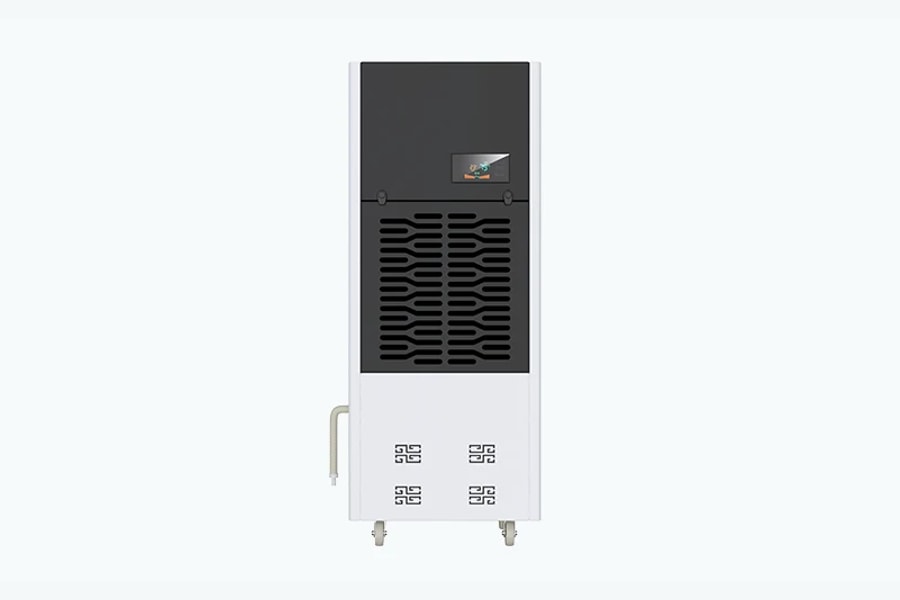
Inspect Filters Before Airflow Deteriorates
Filter loading is highly dependent on the site. A calendar reminder helps, but the actual condition of the filter and any model-specific indicators should guide action within the manufacturer’s instructions. Dust-generating work nearby can shorten the practical interval considerably.
Confirm whether the installed element is intended to be cleaned or replaced. Do not assume that every filter is washable, and do not substitute a visually similar element without checking its specification. Different media can change resistance, filtration, fit, and the way air passes through the unit.
Where cleaning is permitted, follow the specified method and drying requirements before refitting. Aggressive cleaning can damage the media or frame. Reinstalling an unsuitable or damaged element can create bypass paths even though the filter appears to be back in position.
Record unusual loading patterns. A filter becoming dirty much faster than before can indicate a change in the surrounding process, housekeeping, or air source. Addressing that change may improve maintenance reliability more effectively than repeatedly cleaning the same component without investigating the cause.
Keep Heat Exchange Surfaces and Air Passages Serviceable
Contamination on internal surfaces can affect heat transfer and airflow. Access and cleaning methods vary by model, so internal work should follow the manufacturer’s instructions and the site’s isolation procedures. Electrical isolation requirements still apply even if the controller indicates that the machine is stopped.
Avoid treating pressure washing, household chemicals, or compressed air as universal cleaning methods. Materials, coatings, electrical components, and the geometry of the assembly can make an unsuitable method damaging. Ask the supplier to identify approved procedures and products when the manual is unclear.
For refrigerant equipment, inspection may include the condition of the relevant coils and surrounding passages. For desiccant equipment, the required tasks can involve different filters, air paths, seals, drive components, and regeneration arrangements. A generic refrigerant checklist is not a complete desiccant maintenance plan.
Report physical damage or persistent contamination rather than trying to compensate by changing operating settings. Raising fan speed or altering a humidity target can conceal a problem temporarily while moving the machine away from the conditions used for the original selection.
Check the Entire Condensate Route
For refrigerant equipment, drainage extends beyond the outlet on the cabinet. A line can be kinked, displaced, blocked, or connected to a discharge point that no longer behaves as expected. Inspect the installed route and its supports as well as the machine connection.
Where a pump is fitted, follow its maintenance and test instructions. Confirm that any associated alarm or shutdown response remains functional using the approved procedure. Do not create an overflow or bypass a protective device simply to see whether the equipment continues running.
Cleaning activity can disturb drain connections or introduce debris near collection points. Include a visual review after work in the area, particularly when the route is hidden behind stored materials. Small changes to the surroundings can cause repeated drainage problems without any fault inside the dehumidifier.
Keep the technology distinction clear. A desiccant system’s moisture exhaust is not generally managed as a refrigerant unit’s condensate drain. Review the relevant air connections and manufacturer requirements for that machine rather than looking for a drain feature it may not have.
Review Sensors and Control Settings
A displayed humidity reading is useful only when its location and condition make it representative of the intended control point. Dust, damage, direct discharge influence, or relocation can change how a sensor represents the room. Inspect these factors before assuming that a different reading means the machine has lost capacity.
Where measurement accuracy matters, use an appropriate comparison or calibration process. The instruments need suitable ranges and known limitations. Two inexpensive meters disagreeing at different room positions do not, by themselves, establish which reading is correct.
Keep an accessible copy of the accepted control values for comparison during subsequent inspections. Cleaning shifts, temporary production work, and troubleshooting sometimes lead to adjustments that are never restored. During servicing, check the live control values against that record and investigate any unexplained difference.
- Sensor position: Confirm that the sensing point still represents the protected zone.
- Instrument condition: Follow the specified inspection and verification requirements.
- Control settings: Record unexplained changes and identify who authorized them.
- Alarm route: Check that the responsible person or system receives the information required for response.
Use a Practical Frequency Framework
The following framework is a starting point for organizing responsibility, not a substitute for the manual. It deliberately separates frequent observations from technical tasks whose interval depends on the model and operating environment. Record the actual agreed intervals in the site maintenance plan.
| Check group | Practical scheduling basis | Typical responsibility |
|---|---|---|
| Visible status and room trend | Each attended operating day or shift, according to site needs | Trained operator |
| Filter and accessible drain observations | Manufacturer interval, with closer checks during initial operation or dusty work | Assigned maintenance staff |
| Internal cleaning and component inspection | Model requirements and documented site condition | Qualified service personnel |
| Measurement verification and functional tests | Process needs, instrument requirements, and service plan | Responsible technical personnel |
| Post-event review | After relevant maintenance, relocation, construction, or unusual contamination | Equipment owner and service team |
Avoid turning this framework into a fixed promise that every machine needs the same monthly or annual service. The responsible person should consider operating hours, findings, application requirements, and manufacturer guidance together. Where the evidence is incomplete, start cautiously and review the results.
Planned shutdowns provide opportunities for work that cannot be completed during production. Coordinate the service window with the process owner and confirm what temporary moisture protection is needed. Switching off equipment for maintenance can affect stock or materials even when the machine itself is isolated correctly.
Keep a Record That Helps the Next Technician
A useful service record describes the equipment, conditions, observations, action taken, and result. Include the model, serial number, configuration, date, operating hours if available, and the person responsible. Photographs can help document filter condition, access problems, or a changed installation arrangement.
Record replacement part identification and the reason for replacement. Repeatedly replacing a component without retaining its details can hide a recurring problem. A clear history lets the supplier distinguish a new incident from a pattern that requires a broader investigation.
After work is completed, confirm that the equipment returns to the approved operating arrangement. Use the prescribed return-to-service checks to verify refitted panels and guards, filter installation, connections, control values, and alarm operation. A successful repair is incomplete if the machine is left in a temporary test configuration.
This approach follows the practical purpose of preventive maintenance: addressing deterioration before it becomes an avoidable interruption. The value lies in acting on observations, not simply proving that a form was completed on a particular date.
Recognize When Routine Maintenance Is Not Enough
Persistent faults, repeated protective trips, damaged electrical components, suspected refrigerant problems, or unexplained overheating need appropriate technical assessment. Do not repeatedly reset a fault or bypass a protection to keep production moving. Use the manufacturer’s response instructions and the site’s escalation process.
If room conditions remain outside the requirement after routine checks, review the application as well as the machine. New production equipment, increased ventilation, changed door use, or additional wet materials may have increased the load. Maintenance cannot restore a selection that no longer matches the duty by cleaning alone.
Provide the supplier with an organized report instead of a bare request for a replacement part. Include the observed symptoms, operating conditions, recent changes, alarm information, and checks already completed. This reduces repeated questions and makes remote support more useful without asking unqualified staff to perform intrusive tests.
Where the process is critical, discuss a recovery plan before the next failure. Approved spare parts, accessible service information, temporary equipment arrangements, and clear responsibilities can shorten downtime. Their suitability depends on the facility and should be considered alongside routine servicing.
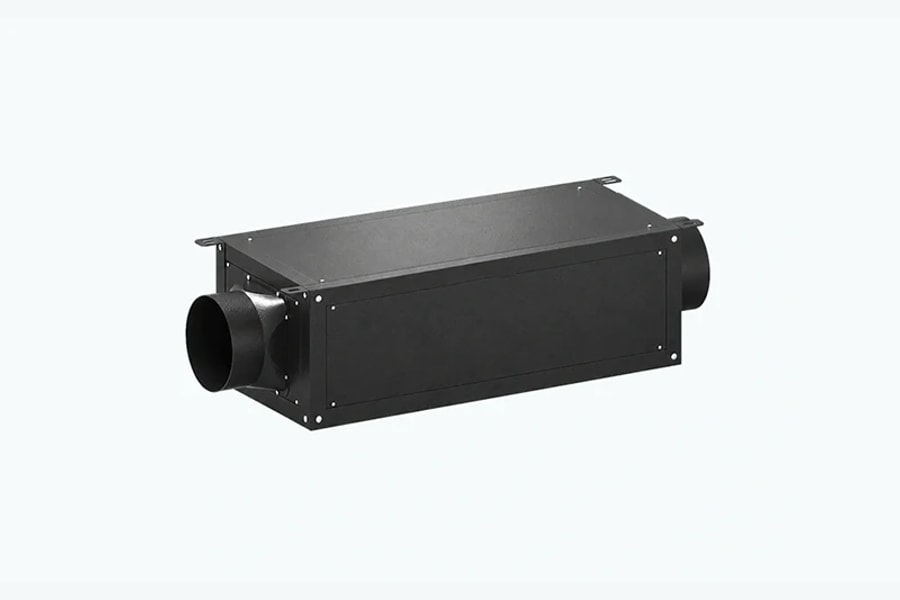
Build Maintenance Access into the Next Purchase
Review the Plan After Changes in Production
Revisit the maintenance schedule when the environment changes. A new cutting process, packaging material, cleaning chemical, or nearby building project can alter contamination and access conditions. The old inspection interval may no longer describe the duty even though the machine’s operating hours remain similar.
Compare observations across several service visits rather than reacting only to a single dirty filter. Look for repeated drainage cleaning, increasing alarms, shorter intervals between filter changes, or growing differences between the controller and room measurements. A pattern can reveal an environmental change that is easy to miss during an isolated inspection.
Bring the process owner into that review. Maintenance may be able to clean the equipment more often, but moving a dust source, improving housekeeping, or correcting the air route may be more effective. The solution should address the cause where practical, while preserving the ventilation and other requirements of the process.
Add the revised maintenance arrangement to the log and schedule a follow-up assessment. A maintenance plan should evolve from observed conditions, with a clear reason for each change. That makes it easier for a new team member to understand why one unit needs closer attention than another identical unit elsewhere in the facility.
Some maintenance difficulties are created before the machine arrives. A service panel facing a wall, a filter above fixed pipework, or a drain hidden behind permanent racking can make ordinary tasks unnecessarily disruptive. Review these details when approving the installation layout.
Ask for the maintenance instructions and recommended consumables during procurement. Allocate each service activity according to the competence needed and the personnel available at the facility. For a custom configuration, make sure the documents and parts information describe the delivered version rather than only the standard catalog model.
Use the industrial dehumidifier buying guide to include serviceability in the equipment brief. A good maintenance plan begins with a machine that can be reached, identified, inspected, and supported throughout its working life. That is usually more valuable than adding features while leaving basic service access unresolved.