
A refrigerant dehumidifier depends on a compressor to complete the refrigeration cycle and achieve effective moisture removal. Compressor protection systems help prevent damage caused by abnormal operating conditions, ensuring stable performance, reliable operation, and longer equipment service life.
Why Does a Refrigerant Dehumidifier Need Compressor Protection?
In a refrigerant dehumidifier, the compressor supplies the mechanical work that drives refrigerant circulation. It compresses refrigerant vapor, increases refrigerant pressure and temperature, and enables heat exchange between the evaporator and condenser. Because the compressor operates under continuous mechanical, thermal, and electrical stress, it requires effective protection systems to maintain safe operation.
Without proper protection, abnormal conditions may cause compressor failure, reduced dehumidification capacity, higher energy consumption, and unexpected equipment downtime. This is especially important for industrial refrigerant dehumidifiers used in environments requiring continuous humidity control, such as warehouses, manufacturing facilities, pharmaceutical areas, and cold storage spaces.
Prevent Compressor Damage
Compressor protection systems are designed to detect abnormal operating conditions before they create serious damage.
The main protection functions include:
- Preventing excessive refrigerant pressure
- Avoiding compressor overheating
- Protecting the motor from electrical overload
- Reducing damage caused by unstable operating conditions
- Preventing frequent compressor starts and stops
By automatically monitoring operating parameters, protection systems allow refrigerant dehumidifiers to operate more safely under different working conditions.
Maintain Stable Dehumidification Performance
A compressor problem directly affects the entire refrigeration system. When compressor operation becomes unstable, the evaporator cannot maintain proper cooling conditions, resulting in reduced moisture removal performance.
Effective compressor protection helps:
- Reduce unexpected shutdowns
- Maintain consistent humidity control
- Improve energy efficiency
- Reduce maintenance requirements
- Extend compressor operating life
For industrial applications, stable compressor operation is essential for maintaining precise humidity levels and protecting stored materials, equipment, and production processes.
How Compressor Protection Works in Refrigerant Dehumidifiers
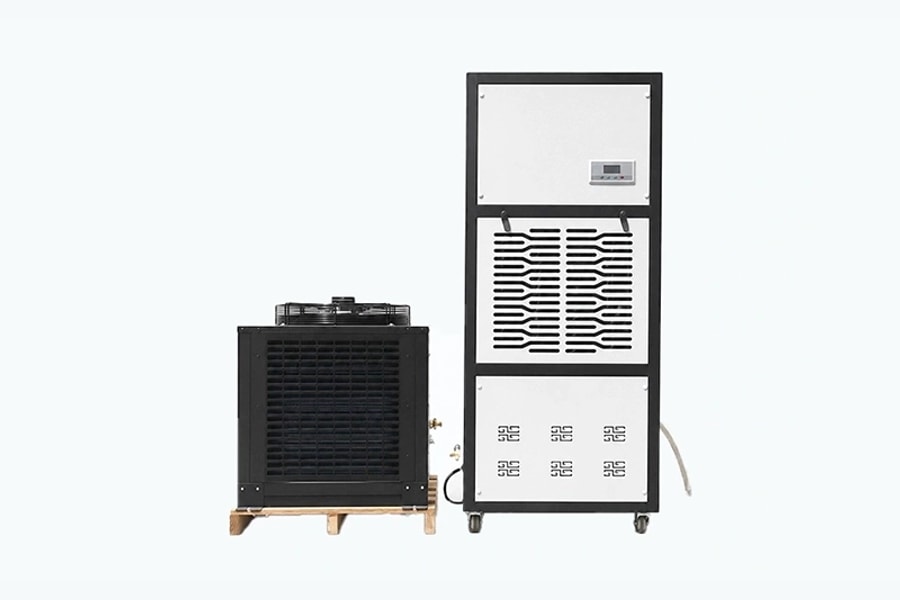
Modern refrigerant dehumidifiers use multiple protection technologies to monitor pressure, temperature, current, and operating status. These protection systems work together through sensors, switches, and intelligent controllers.
High Pressure Protection
High-pressure protection prevents the compressor from operating when refrigerant discharge pressure exceeds the safe range.
As refrigerant travels around the circuit, it picks up thermal energy in the evaporator and transfers that energy to the passing airstream at the condenser. If system pressure becomes too high, the compressor experiences increased mechanical stress.
The protection system detects abnormal pressure through:
- High-pressure switches
- Pressure sensors
- Electronic controllers
When excessive pressure is detected, the controller stops compressor operation and activates an alarm signal. After the operating condition returns to normal, the system can restart according to the control logic.
Low Pressure Protection
Low-pressure protection monitors refrigerant suction pressure and prevents the compressor from operating under abnormal low-pressure conditions.
The compressor requires sufficient refrigerant flow to maintain proper cooling and lubrication. If suction pressure becomes too low, continuous operation may affect compressor reliability.
Low-pressure protection helps:
- Prevent insufficient refrigerant operation
- Protect compressor lubrication conditions
- Reduce abnormal compressor temperature rise
- Maintain refrigeration system stability
The controller activates protection when the detected pressure falls below the preset safety range.
Compressor Overload Protection
Compressor overload protection protects the motor from excessive electrical current and operating stress.
During startup and continuous operation, the compressor requires stable electrical conditions. If current exceeds the rated value, the overload protection system disconnects the compressor to prevent motor damage.
The protection system usually monitors:
- Operating current
- Motor temperature
- Electrical load conditions
This function is particularly important for industrial refrigerant dehumidifiers using larger compressors and three-phase power supplies.
Overheating Protection
Overheating protection prevents compressor damage caused by excessive operating temperature.
The compressor generates heat during compression and motor operation. If heat cannot be effectively removed, internal components may experience thermal stress.
A thermal safeguard responds to excessive compressor heat by interrupting operation at its specified trip threshold.
This protection helps prevent:
- Motor winding damage
- Lubrication problems
- Reduced compressor efficiency
- Premature component failure
Anti-Short-Cycle Protection
Anti-short-cycle protection prevents the compressor from restarting too frequently after shutdown.
Frequent starting creates high electrical current and mechanical stress, which may shorten compressor lifespan.
This protection function helps:
- Reduce startup impact
- Stabilize compressor operation
- Improve equipment reliability
- Extend service life
It is especially useful for automatic humidity control systems where compressor operation changes according to indoor humidity conditions.
Common Compressor Protection Alarm Codes in Refrigerant Dehumidifiers
Compressor alarms provide important information about abnormal system conditions. Understanding common alarm types helps users quickly identify possible problems and perform appropriate inspections.
| Alarm Type | Protection Function | Common Check Items |
| High Pressure Alarm | Protects compressor from excessive refrigerant pressure | Condenser condition, airflow, refrigerant pressure |
| Low Pressure Alarm | Prevents operation under insufficient suction pressure | Refrigerant system, evaporator condition |
| Compressor Overload Alarm | Protects motor from excessive current | Voltage, current, electrical components |
| Temperature Alarm | Prevents overheating damage | Compressor temperature, ventilation conditions |
| Sensor Alarm | Detects abnormal monitoring signals | Pressure and temperature sensors |
Common Causes of Compressor Protection Alarms
Compressor protection alarms are usually triggered by problems affecting airflow, refrigerant circulation, electrical supply, or installation conditions. Recovery depends on resolving the fault behind the alarm, rather than simply clearing the displayed warning.
Dirty Condenser and Poor Airflow
A dirty condenser is one of the most common reasons for high-pressure compressor alarms.
Heat must leave the refrigerant through the condenser. Deposits coating its fins obstruct that exchange, so a dirty coil cannot reject heat as effectively. The refrigerant temperature and pressure increase, causing the protection system to stop compressor operation.
Common symptoms include:
- High-pressure alarm activation
- Reduced dehumidification capacity
- Longer compressor running time
- Increased operating temperature
Possible causes:
- Dust accumulation on condenser fins
- Blocked air inlet or outlet
- Condenser fan failure
- Insufficient installation clearance
Recommended solutions:
- Clean condenser coils regularly
- Check fan operation
- Keep airflow passages open
- Maintain proper distance around the equipment
For industrial environments with high dust levels, regular condenser inspection is especially important.
Refrigerant Leakage or Incorrect Refrigerant Charge
A refrigerant system requires an appropriate refrigerant level to maintain efficient heat exchange.
When refrigerant leakage occurs, the system may experience reduced refrigerant circulation and abnormal pressure conditions.
Common symptoms include:
- Low-pressure alarm
- Reduced moisture removal capacity
- Longer operating cycles
- Poor cooling performance
Possible leakage points include:
- Pipe joints
- Refrigerant connections
- Valves
- Heat exchanger areas
Incorrect refrigerant charging can also affect compressor operation. Too little refrigerant may reduce suction pressure, while excessive refrigerant may increase system pressure.
Recommended inspection steps:
- Check refrigerant pressure
- Identify leakage points
- Repair damaged components
- Recharge refrigerant according to specifications
Professional refrigeration equipment should be used when checking and adjusting refrigerant levels.
Evaporator Frosting and Defrost System Failure
Evaporator frosting can cause compressor protection problems, especially when refrigerant dehumidifiers operate in low-temperature environments.
In normal dehumidification, airborne water collects as droplets on the cold coil, then runs into the drain. However, excessive cooling or insufficient airflow may cause water to freeze on the coil surface.
Common causes include:
- Low ambient temperature
- Dirty air filters
- Reduced airflow
- Defrost system failure
- Refrigerant imbalance
Frost buildup reduces heat exchange efficiency and increases system operating stress.
Recommended solutions:
- Clean air filters
- Check defrost operation
- Maintain proper airflow
- Inspect refrigerant conditions
Electrical Problems
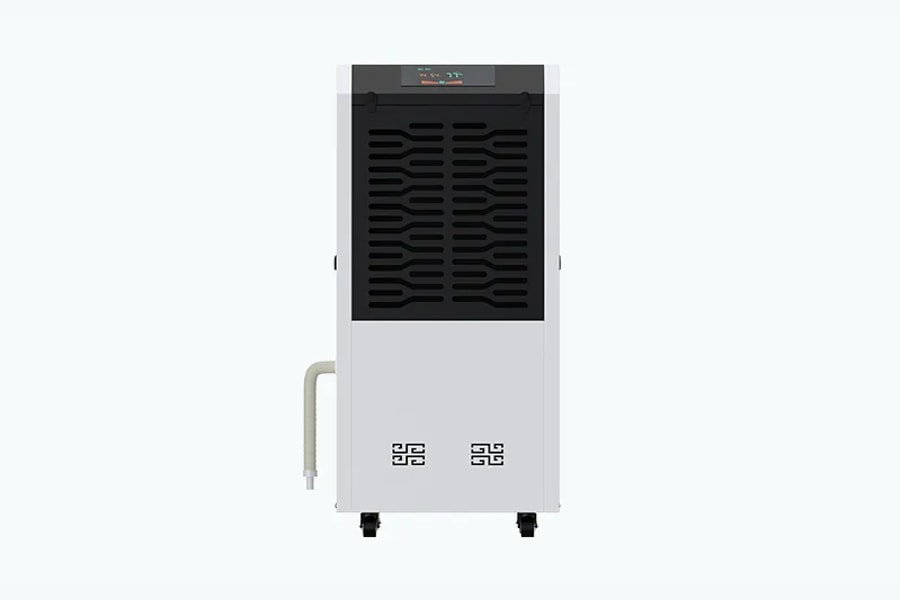
Electrical problems are another major cause of compressor protection alarms.
The compressor motor requires stable electrical power. Abnormal electrical conditions can increase current consumption and generate excessive heat.
Common electrical issues include:
Voltage Instability
Unstable voltage may cause:
- Excessive current
- Motor overheating
- Compressor startup problems
Phase Loss
For three-phase industrial dehumidifiers, phase loss can create motor imbalance and damage compressor components.
Wiring Problems
Loose terminals or incorrect wiring may cause:
- Increased electrical resistance
- Heat generation
- Unstable compressor operation
Component Failure
Damaged capacitors, relays, or contactors may prevent normal compressor operation.
Regular electrical inspection helps identify potential failures before they cause compressor damage.
Improper Installation Conditions
Incorrect installation conditions can increase compressor operating stress and trigger protection alarms.
Common installation problems include:
- Insufficient ventilation space
- Blocked air circulation
- Installation near heat sources
- Operation outside rated conditions
- An unsuitable condensate drain layout
Follow the installation instructions supplied with the selected unit; its specified clearances and placement requirements support air circulation and heat rejection.
How to Troubleshoot Compressor Alarms in Refrigerant Dehumidifiers
When a compressor protection alarm occurs, a systematic troubleshooting process helps identify the actual cause efficiently.
Step 1: Check Alarm Code and Operating Status
First, check the controller display and record:
- Alarm type
- Operating conditions
- Compressor status
- Recent operating changes
This information helps determine whether the problem relates to pressure, temperature, electrical conditions, or sensors.
Step 2: Inspect Airflow and Heat Exchange Components
Check the following components:
- Air filters
- Condenser coils
- Evaporator surface
- Fan operation
Airflow problems are common causes of compressor alarms and should be inspected first.
Step 3: Check the Refrigerant System
Inspect:
- Refrigerant pressure
- Leakage points
- Refrigerant charge level
- Expansion components
If abnormal refrigerant conditions are found, professional service may be required.
Step 4: Check Electrical Components
Verify:
- Supply voltage
- Operating current
- Compressor terminals
- Protection devices
- Control components
Electrical testing should be performed by qualified technicians.
Step 5: Reset and Test Operation
After the problem has been corrected:
- Reset the alarm
- Restart the unit
- Monitor compressor operation
- Confirm stable humidity control
Repeated alarms should not be ignored because they may indicate deeper system problems.
How to Prevent Compressor Protection Problems?
Preventive maintenance and correct operation can significantly reduce compressor alarms and improve refrigerant dehumidifier reliability.
Regular Maintenance
Recommended maintenance tasks include:
- Cleaning air filters
- Cleaning condenser coils
- Checking drainage systems
- Inspecting sensors
- Checking electrical connections
Regular maintenance keeps heat exchange components efficient and reduces unnecessary compressor stress.
Stay Inside the Equipment Operating Envelope
The load placed on the compressor changes with the environment in which the unit runs.
Recommended practices include:
- Maintain sufficient airflow
- Avoid frequent power cycling
- Keep operating temperature within specifications
- Avoid blocking air inlet and outlet areas
Using the equipment within its designed conditions helps maintain stable compressor performance.
Professional Inspection
For industrial refrigerant dehumidifiers, regular professional inspection is recommended.
Inspection items include:
- Refrigerant pressure testing
- Electrical system checks
- Compressor performance evaluation
- Sensor calibration
- Checking control responses
A technician can identify developing faults during scheduled service, allowing corrective work before an avoidable interruption to humidity control.