
Blogs
Dehumidification Industry News & Company Updates
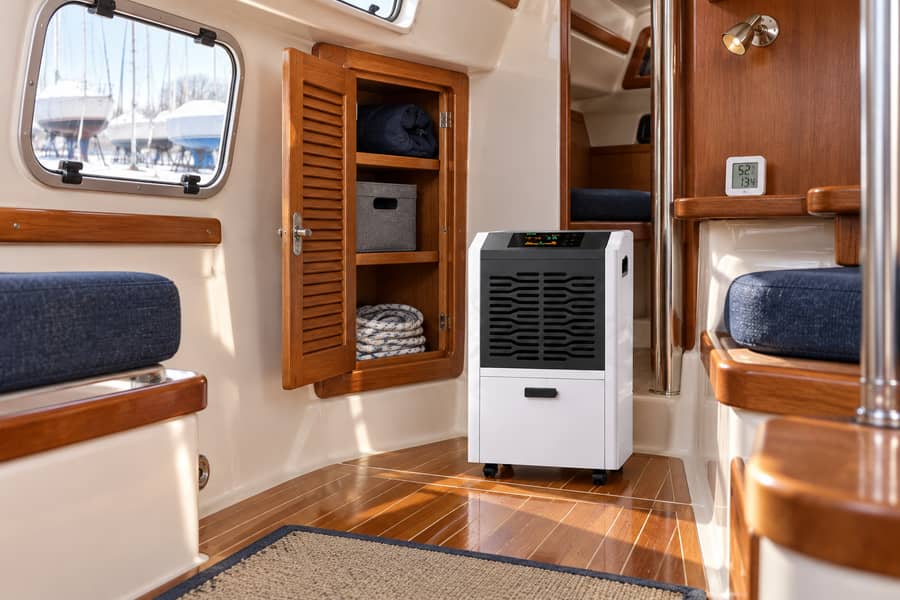
How Should a Boat Dehumidification Plan Be Set Up for Long-Term Winter Storage?
A winter boat dehumidification plan starts with leak repairs, thorough drying, and an assessment of storage conditions. Choose ventilation, passive absorbers, or suitable powered equipment
Read More Details
How to Compare Marine Dehumidifiers for Different Vessel Types
Compare marine dehumidifiers by moisture loads, operating temperatures, airflow requirements, power availability, and installation constraints rather than vessel size alone. Evaluate units under identical conditions.
Read More Details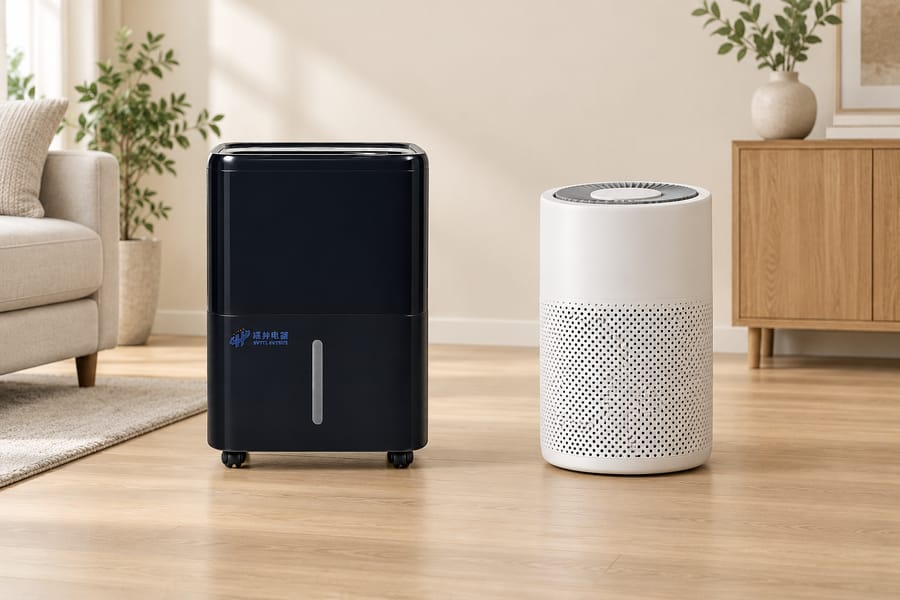
Dehumidifier vs. Air Purifier for Mold and Allergies: Which Is Better?
A dehumidifier controls excess moisture, while a HEPA air purifier filters airborne particles. Compare their roles for mold and allergies, capacity ratings, operating costs, placement,
Read More Details
What Is the Best Indoor Humidity Level for Allergies?
Learn why 40–50% indoor relative humidity is a practical starting target for allergies, how to monitor rooms, and when moisture control, cleaning, or filtration may
Read More Details
What Humidity Level Prevents Mold Growth?
Learn why 30–50% indoor relative humidity helps reduce mold risk, how leaks and condensation affect surfaces, and how monitoring, ventilation, and dehumidifiers support moisture control.
Read More Details
How to Prevent Moisture-Related Problems in Pharmaceutical Production Areas
Learn how pharmaceutical production areas can prevent moisture-related problems through product-specific humidity limits, dehumidification, HVAC coordination, monitoring, and qualified maintenance procedures.
Read More Details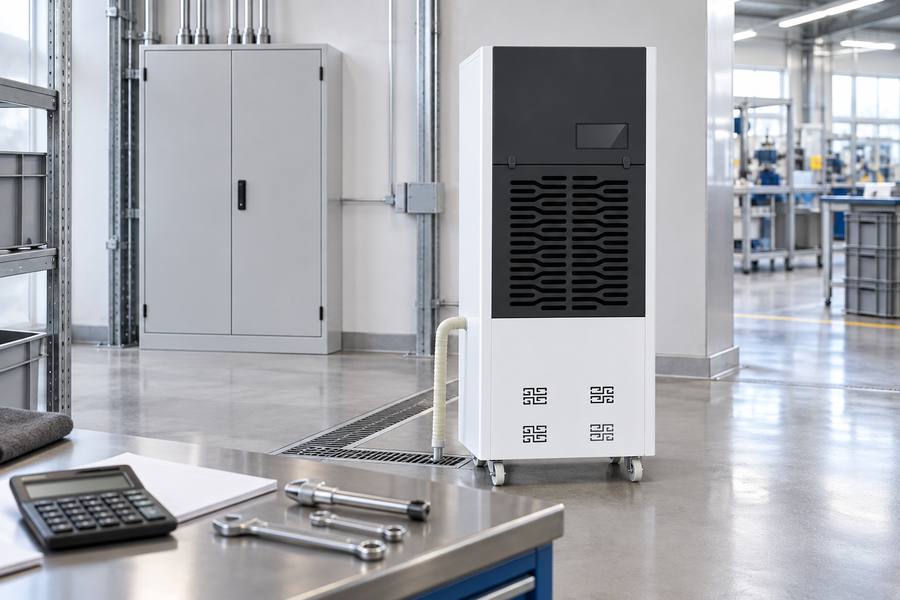
What Is the Total Cost of Ownership of an Industrial Dehumidifier?
Understand industrial dehumidifier total cost of ownership, including purchase, installation, electricity, maintenance, repairs, and payback, with practical budgeting examples.
Read More Details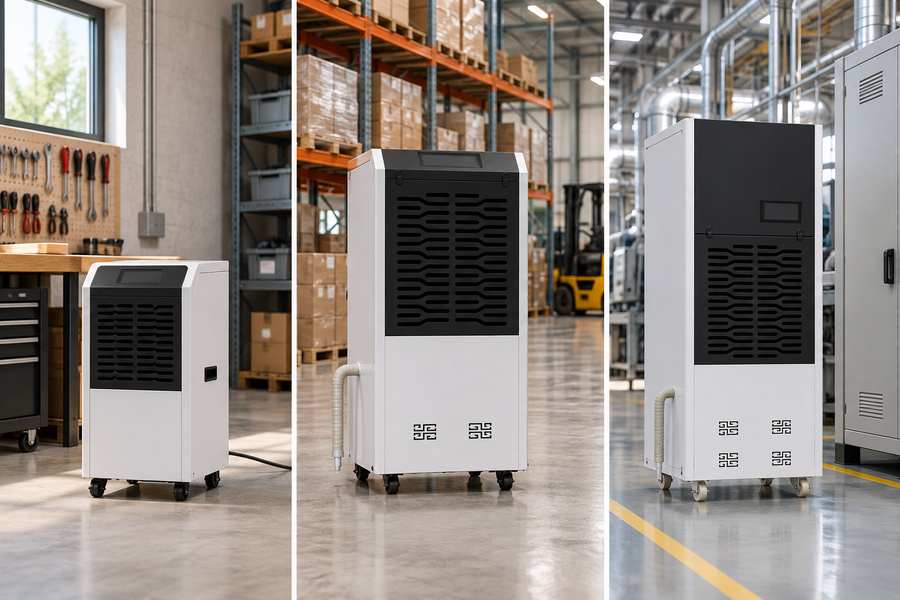
110V vs. 220V vs. 380V Industrial Dehumidifiers: Which Power Supply Do You Need?
Compare 110V, 220V, and 380V industrial dehumidifiers by supply compatibility, phase, frequency, installation needs, and operating costs to choose equipment for your facility.
Read More Details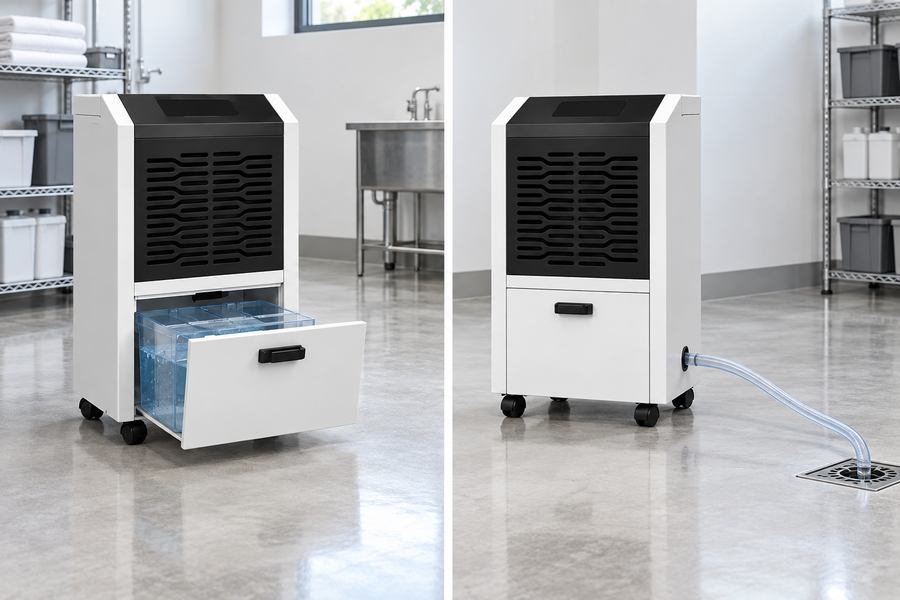
Water Tank vs. Continuous Drainage: Which Is Better for Commercial Dehumidifiers?
Compare water tank and continuous drainage for commercial dehumidifiers, including installation, maintenance, operating costs, and the best method for your facility.
Read More Details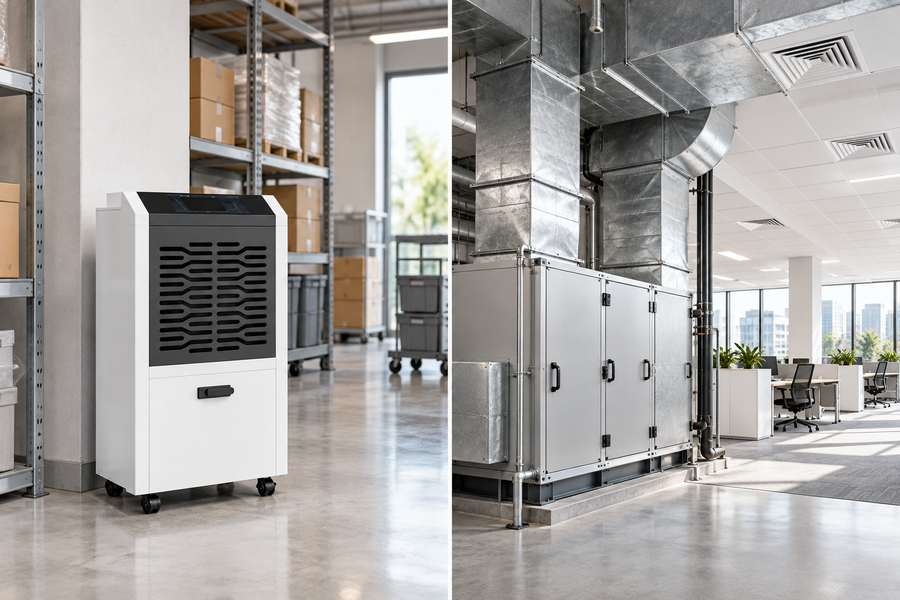
Commercial Dehumidifier vs. HVAC Dehumidification: Which System Is More Suitable?
Compare commercial dehumidifiers and HVAC dehumidification by humidity control, installation, energy use, costs, and applications to choose a suitable system.
Read More Details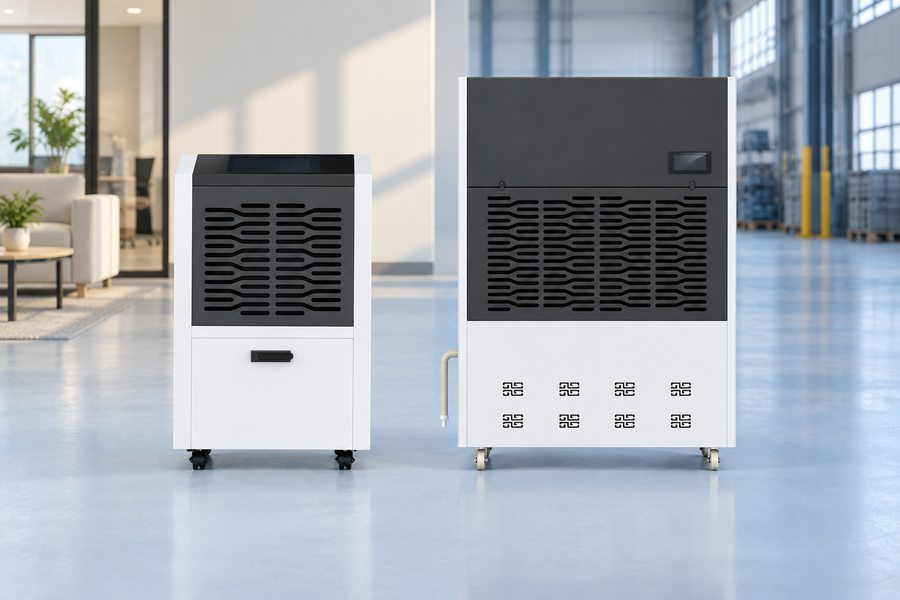
Commercial vs. Industrial Dehumidifiers: Which Is Right for Your Facility?
Compare commercial and industrial dehumidifiers by capacity, durability, energy costs, installation, and humidity requirements to choose equipment for your facility.
Read More Details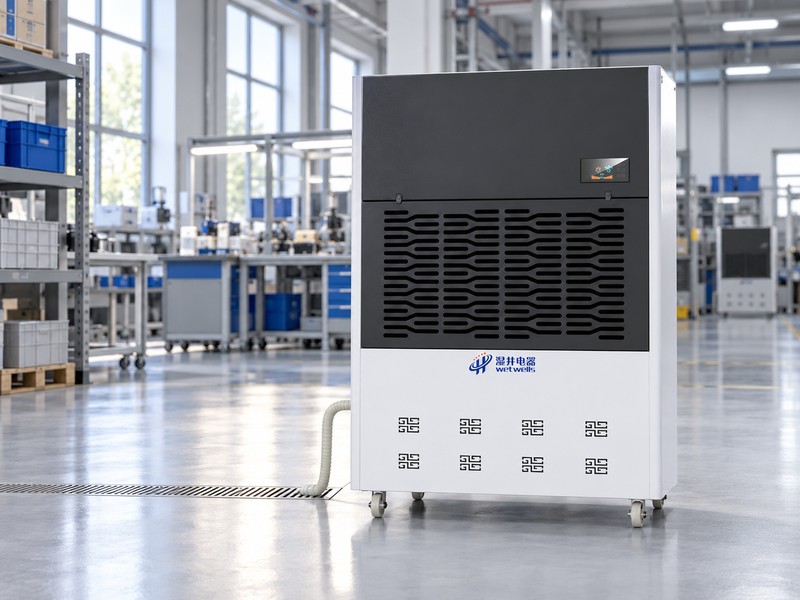
Rotary, Reciprocating, or Scroll Compressor: Which Is Best for a Dehumidifier?
A rotary compressor is often a practical starting point for a compact dehumidifier. A scroll is worth evaluating for larger duties where smooth operation and
Read More Details